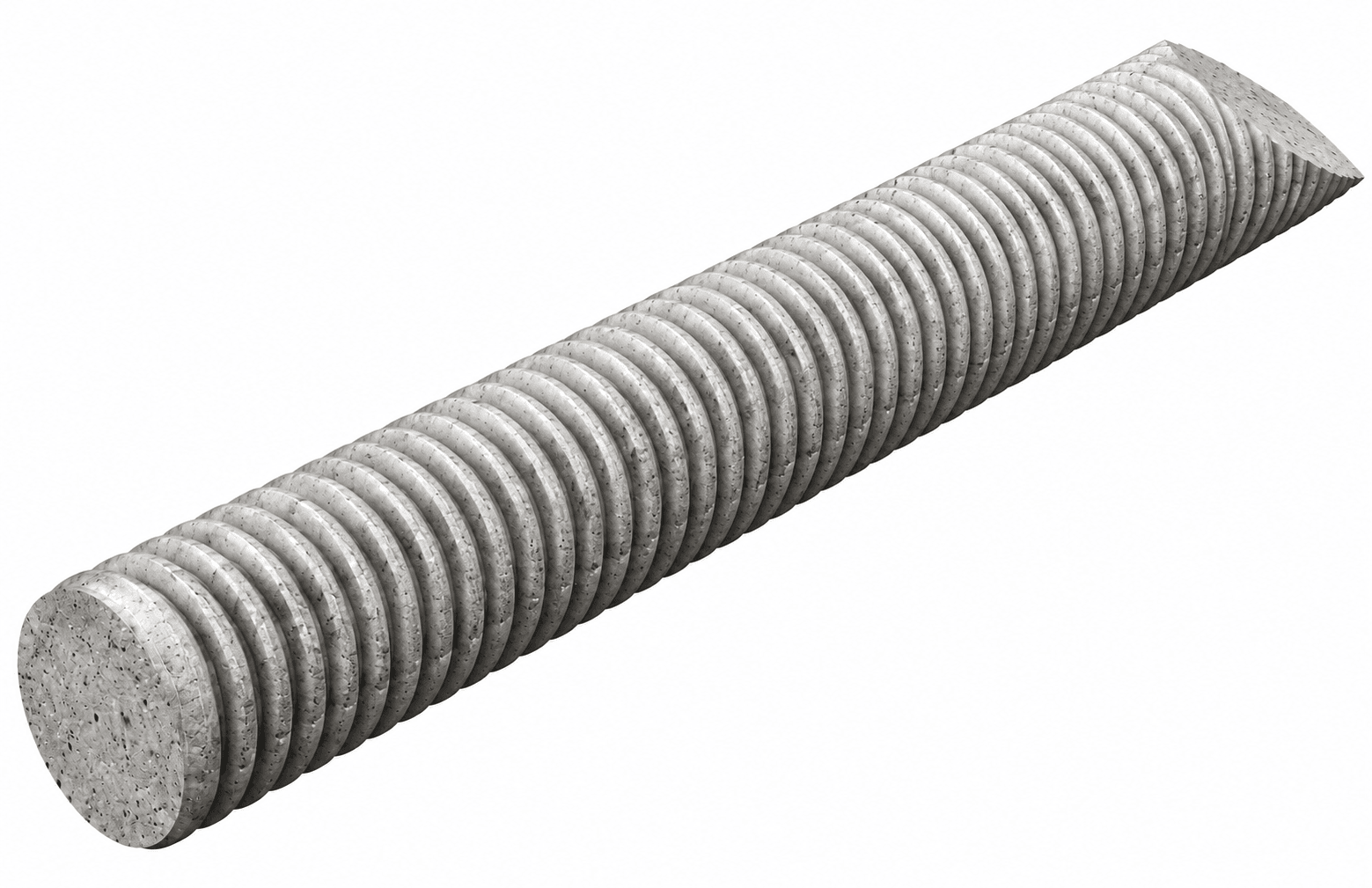
Bolin's Indigenous range of Post tension bars have been used widely in Precast Segmental Construction for Elevated Transport Structures. With Cumulative coverage of more than 1500+ Kms already, Bolin PT bars create a positive impact on the overall delivery of Segmental construction in India and the Fine threads are ideal for permanent and low-tolerance temporary and permanent applications. With the capability to offer local production backed by Anker Schroeder's Quality Control Systems, we are committed to serve the Indian Market with minimal lead time and optimised delivered cost.
High-strength bolts are made of high-strength or tempered alloy steel and are used where extremely high tensile strength is needed, such as bridges, rails, and high-pressure equipment. They are tightened or released by applying torque to a nut and are commonly used in structural bolting. The tensile materials used in these bolts tend to increase their strength by 25% to 50%. We manufacture the material from Property Class 3.6 to 12.9 with lengths up to 4 meters. The relevant accessories are also designed, manufactured, and supplied.
The importance of architectural bars in the design and construction of buildings, whether for structural or aesthetic purposes, lies in their capability to support tension and compression. Such bars can be fashioned with materials such as concrete and steel. They are custom-made to suit any project and serve in Bridges and structures such as residential & commercial regions. With the capability to offer local production backed by Anker Schroeder's Quality Control Systems, we are committed to serve the Indian Market with minimal lead time and optimised delivered cost.
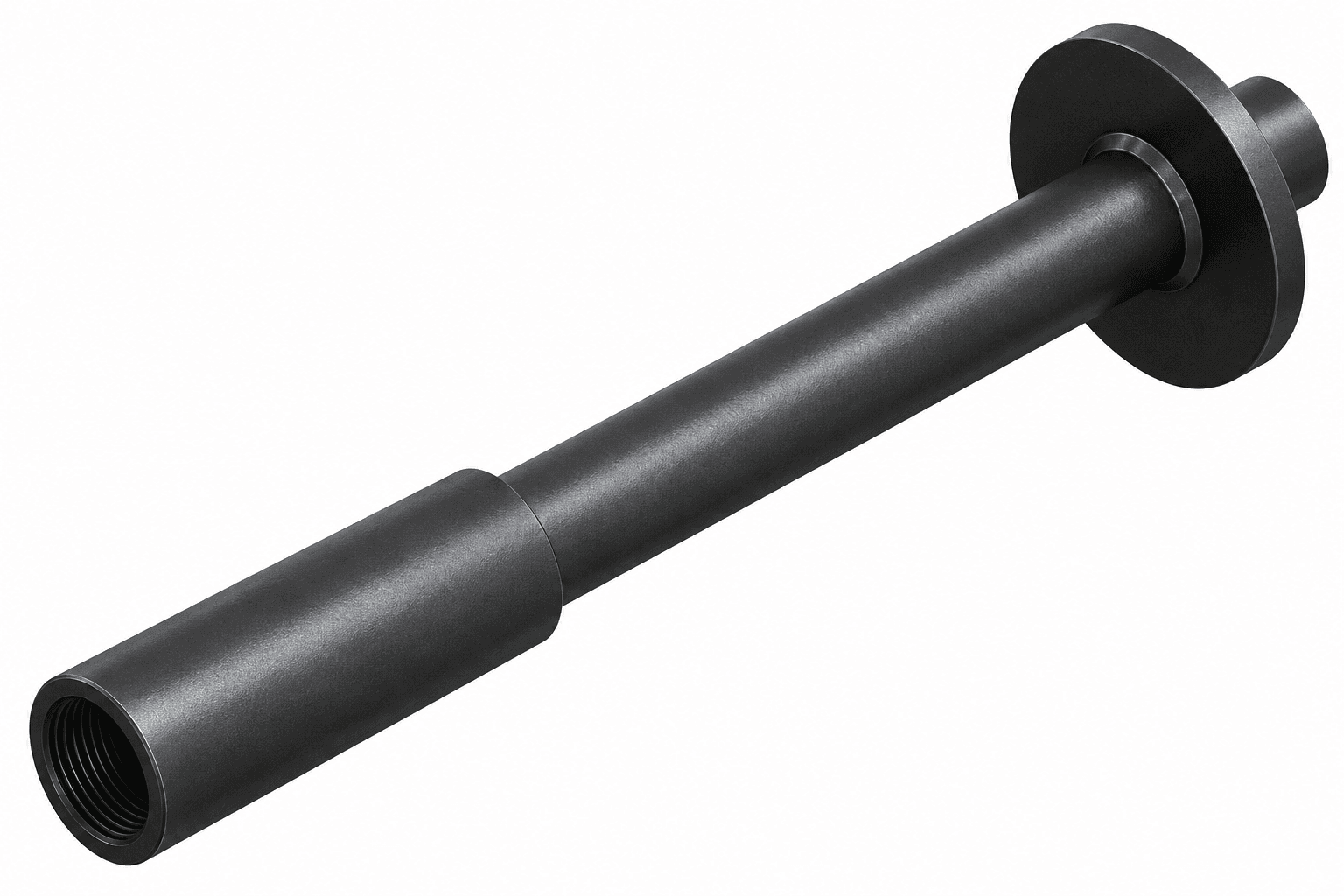
Marine Anchors Or Tie Rods are used in structures like Jetties, Berthwaters, and Quays. These tie-backs act as deadman anchors during the structure's service life, typically 50 years or more. We are proud to associate with Anker Schroeder, Dortmund (ASDO), Germany, the Inventor, pioneer, and global leader in Deadman Anchors for Marine Structures technology. Founded in 1920 as a family-owned engineering company, ASDO has a footprint in over 90 countries for project references, including India. With the upset end forging capabilities ASDO are the most techno-commercially fit engineering partners for the scope of Deadman anchors. With over a century of experience in engineering, innovation, and advancement, Coupled with the versatile range of anchorages & connectors enables any option executable be it with Steel Piles or Concrete Diaphragms. With the default standards followed in line with EN-1993-5 and other relevant codal provisions for the offshore industry, technical superiority is the most advanced to offer.
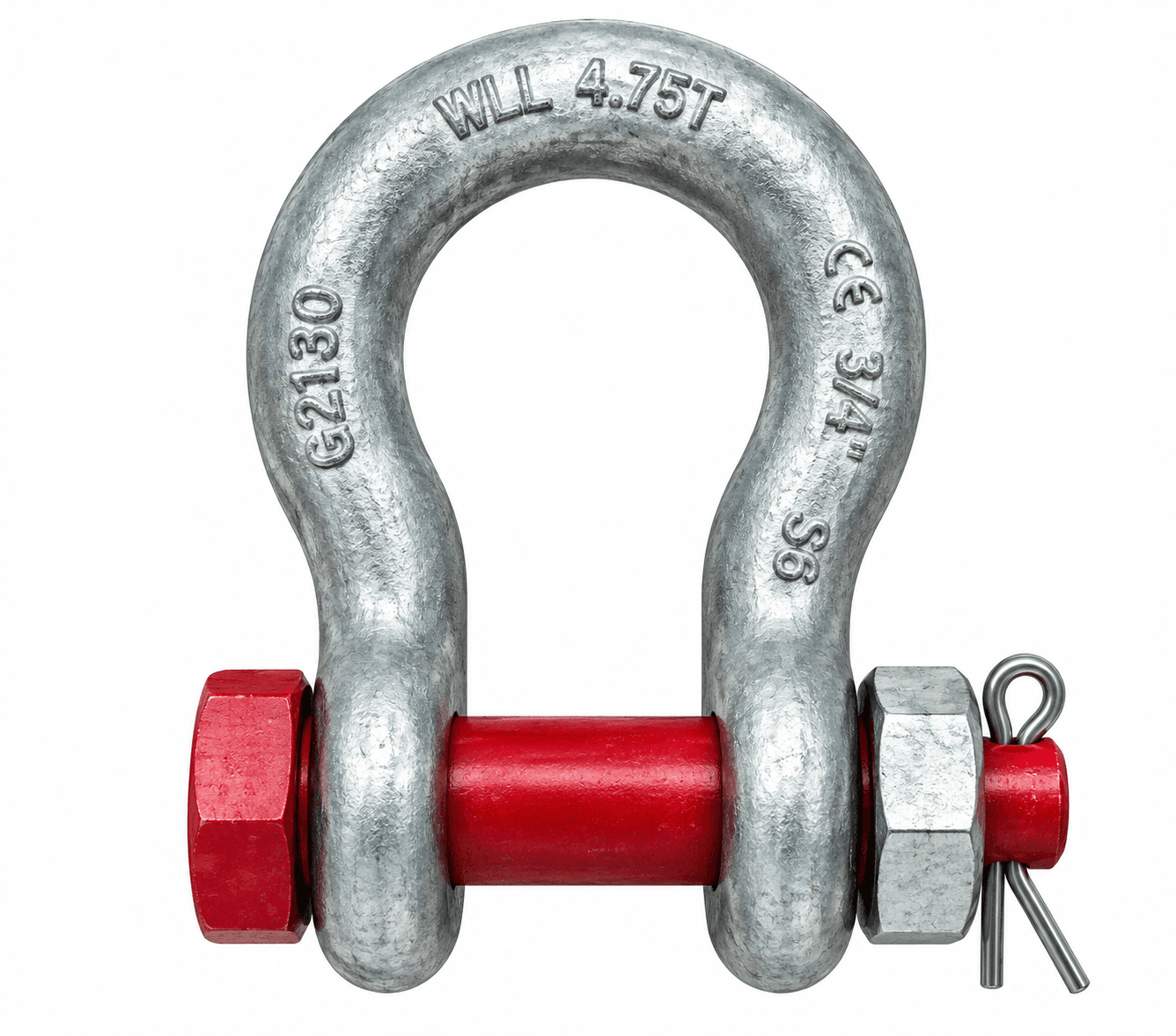
Shackles refer to a U-shaped fastening device secured by a bolt or pin through holes at the end of the two arms or a cable or anchor chain length. In marine, industrial, or construction use, shackles are hard-wearing, durable, and corrosion-resistant, with various patterns and sizes. We are associated with ASDO, Germany, for the **DNV-certified heavy-duty shackles**, with offerings from **SWL of 85 MT to 1500 MT**.
HSFG bolts, or High Strength Friction Grip bolts, are engineered fasteners that play a vital role in modern structural steel connections. These specialized bolts are meticulously designed to deliver secure, slip-resistant joints by applying a high preload during installation. The resulting friction between the connected surfaces is crucial for preventing any movement under dynamic and high-stress conditions, thereby ensuring the stability and long-term integrity of critical infrastructure projects. Manufactured using high-grade steel, HSFG bolts are known for their exceptional tensile strength and durability. The precise application of preload, achieved by tightening the bolt to a specified torque, generates the necessary clamping force. This force not only enhances the frictional grip but also distributes the load evenly across the joint, which is essential for maintaining structural performance. Such characteristics make HSFG bolts ideal for use in applications such as bridges, high-rise buildings, power plants, and other heavy civil constructions. Furthermore, the unique design of HSFG bolts minimizes the risk of loosening even under repetitive loading and vibrations, which are common in large-scale engineering projects. Their reliable performance reduces the need for additional fastening elements, contributing to more efficient construction practices and lower maintenance requirements over the life of the structure. In addition to their mechanical advantages, HSFG bolts are also favored for their ease of installation and ability to meet stringent safety standards. As construction projects continue to evolve, the demand for high-performance, dependable fastening solutions like HSFG bolts is on the rise. They are an indispensable component in ensuring that modern infrastructures are both safe and resilient, capable of withstanding the challenges posed by dynamic loads and harsh environmental conditions. HSFG bolts exemplify modern engineering precision and are indispensable in both new construction and retrofit projects. Their reliability and superior performance have made them the fastening solution of choice for engineers worldwide, ensuring safety and longevity in every structure consistently.
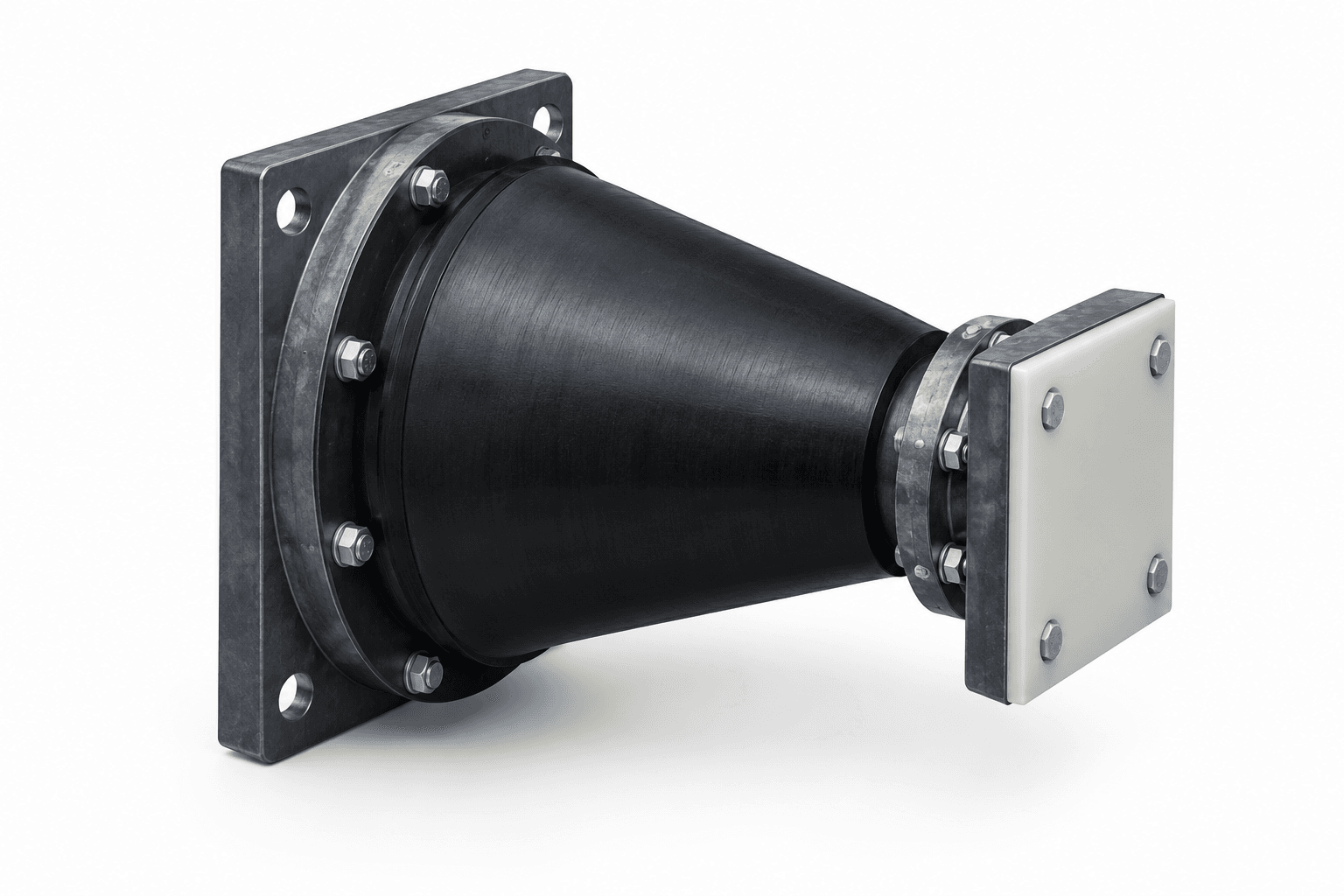
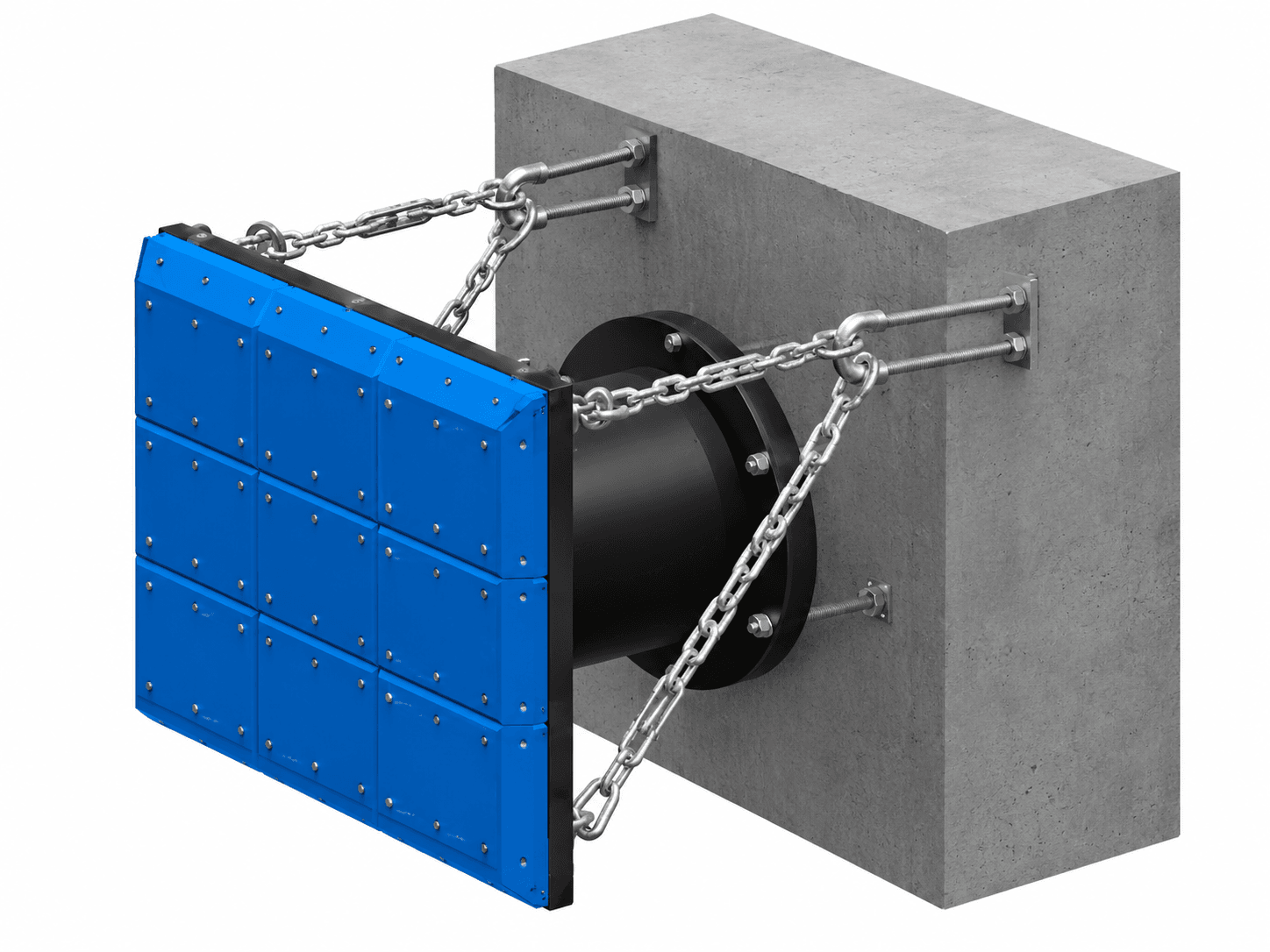
Conical defense systems, generally with sealed, closed shields, ensure excellent performance quality, stability and long lifespan . The truncated conical fenders accept a very large angle of approach, high resistance to shear.
Cone fenders are designed to perform with closed steel panels, and give efficiency with important berthing and shear angle.
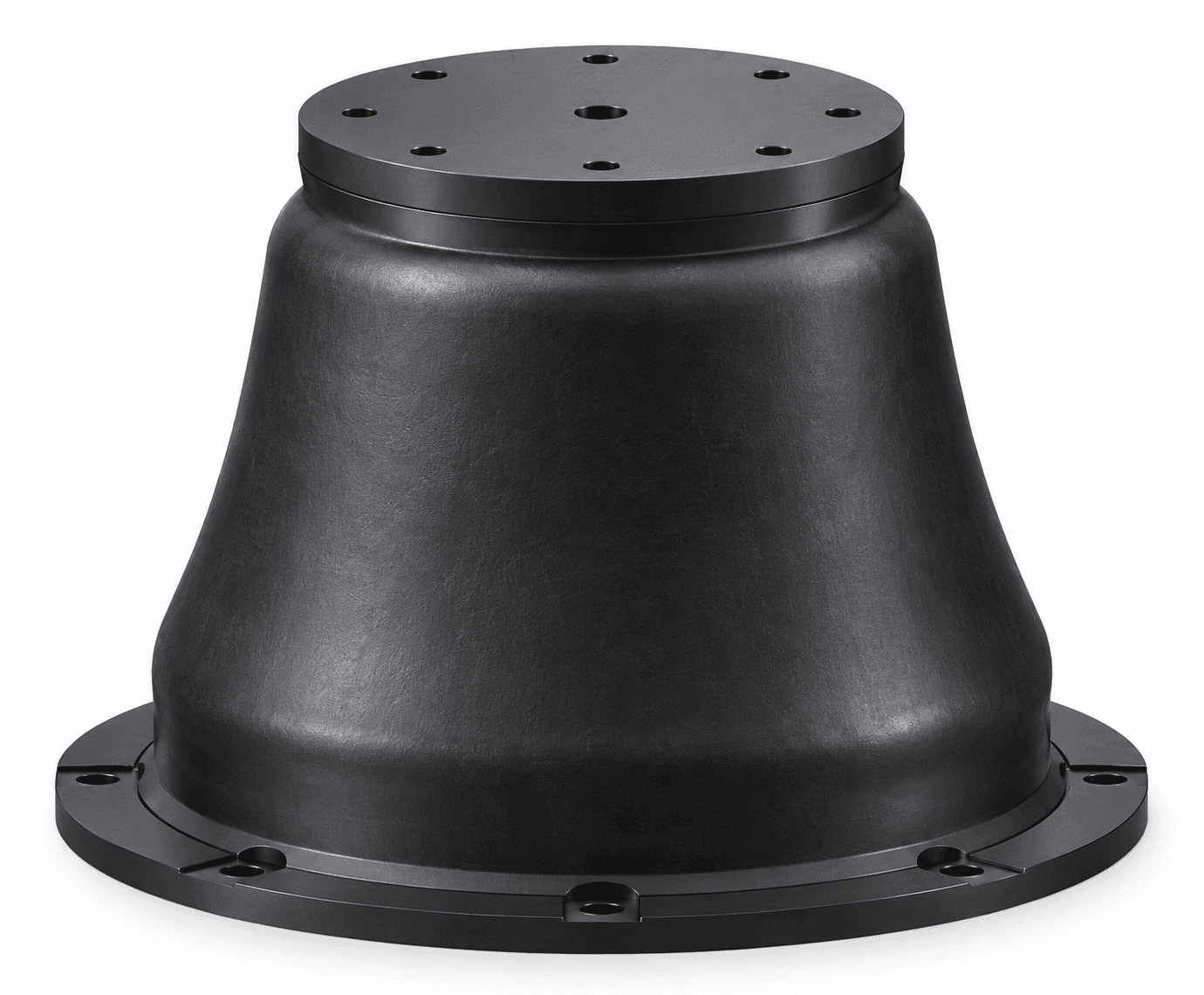
Very well known in Spain and Northern Europe, cellular defenses are available in all sizes and are interchangeable with many older brands. They are ideal when the required hull pressure is low. Cellular defenses support large docking shields.
Well known in Spain and North Europe, Cell fenders are available in all dimensions. Cell fenders are designed to accept large closed steel panels, with high deformation capacity. Can replace old brands easily, same flange for fixings
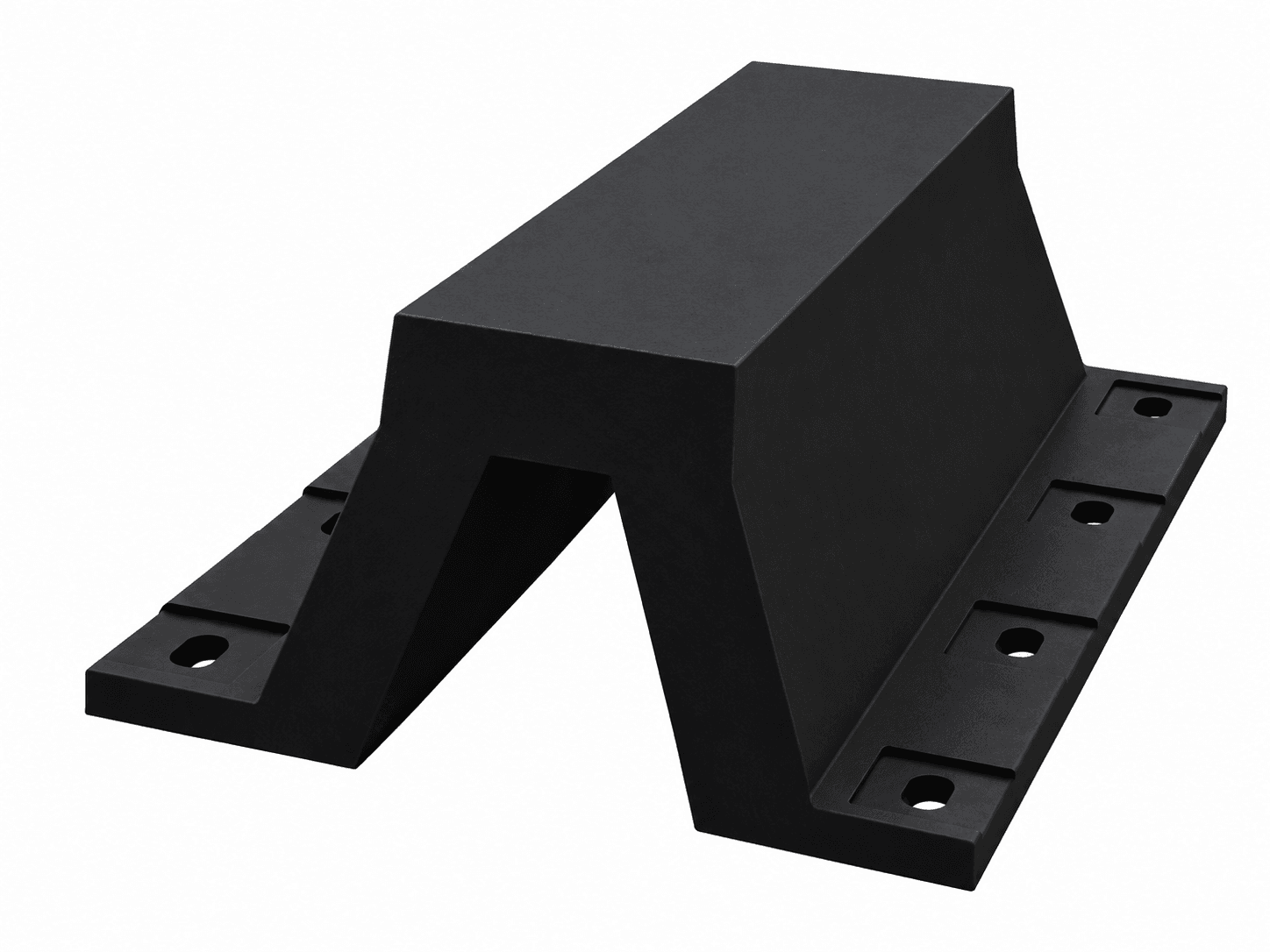
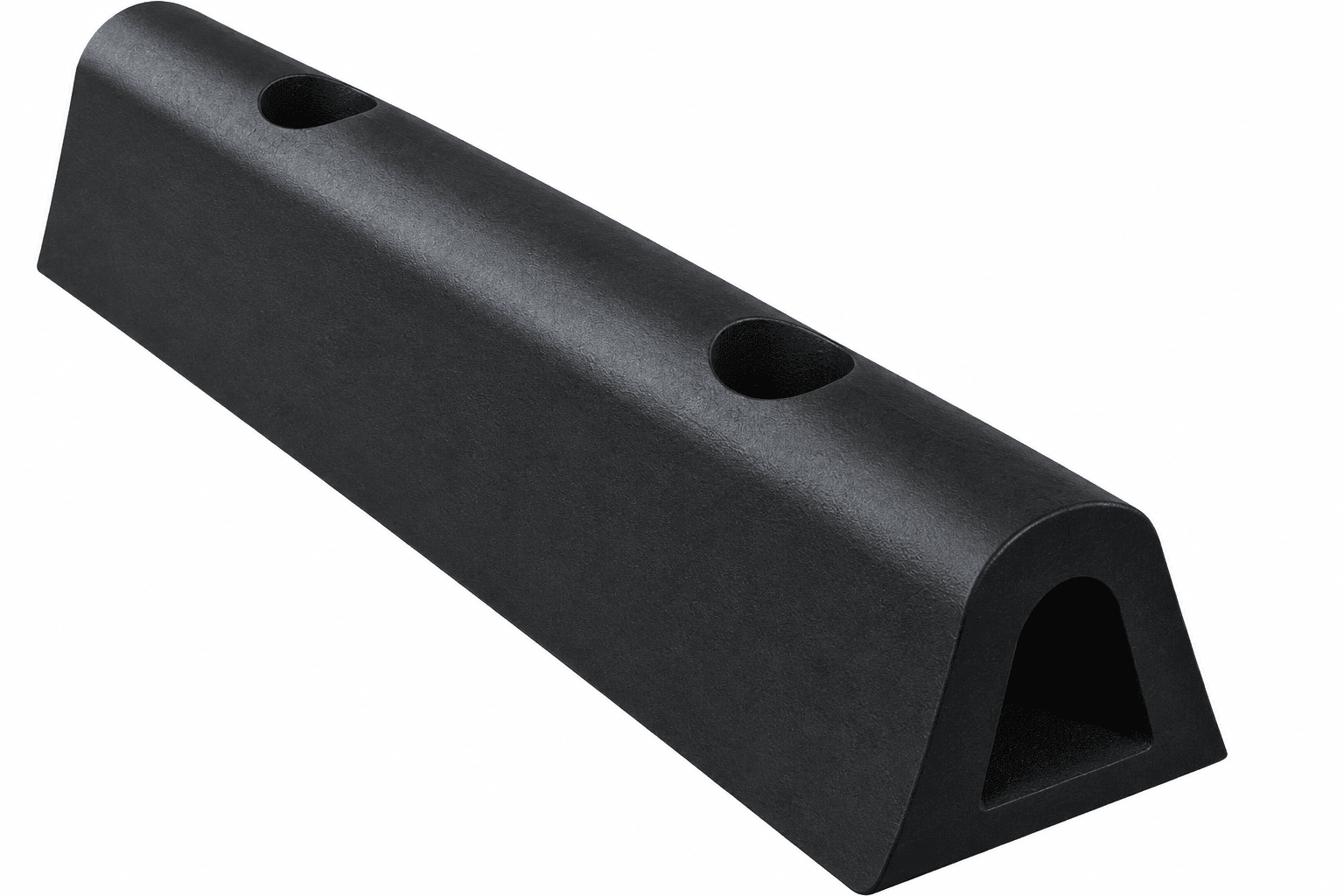
Trapezoidal fenders are simple but robust ; they equip a wide variety of docks without any problems even under the worst conditions . They are made from a single piece. Trapezoidal DA fenders traditionally have a rubber face and are easy to install.
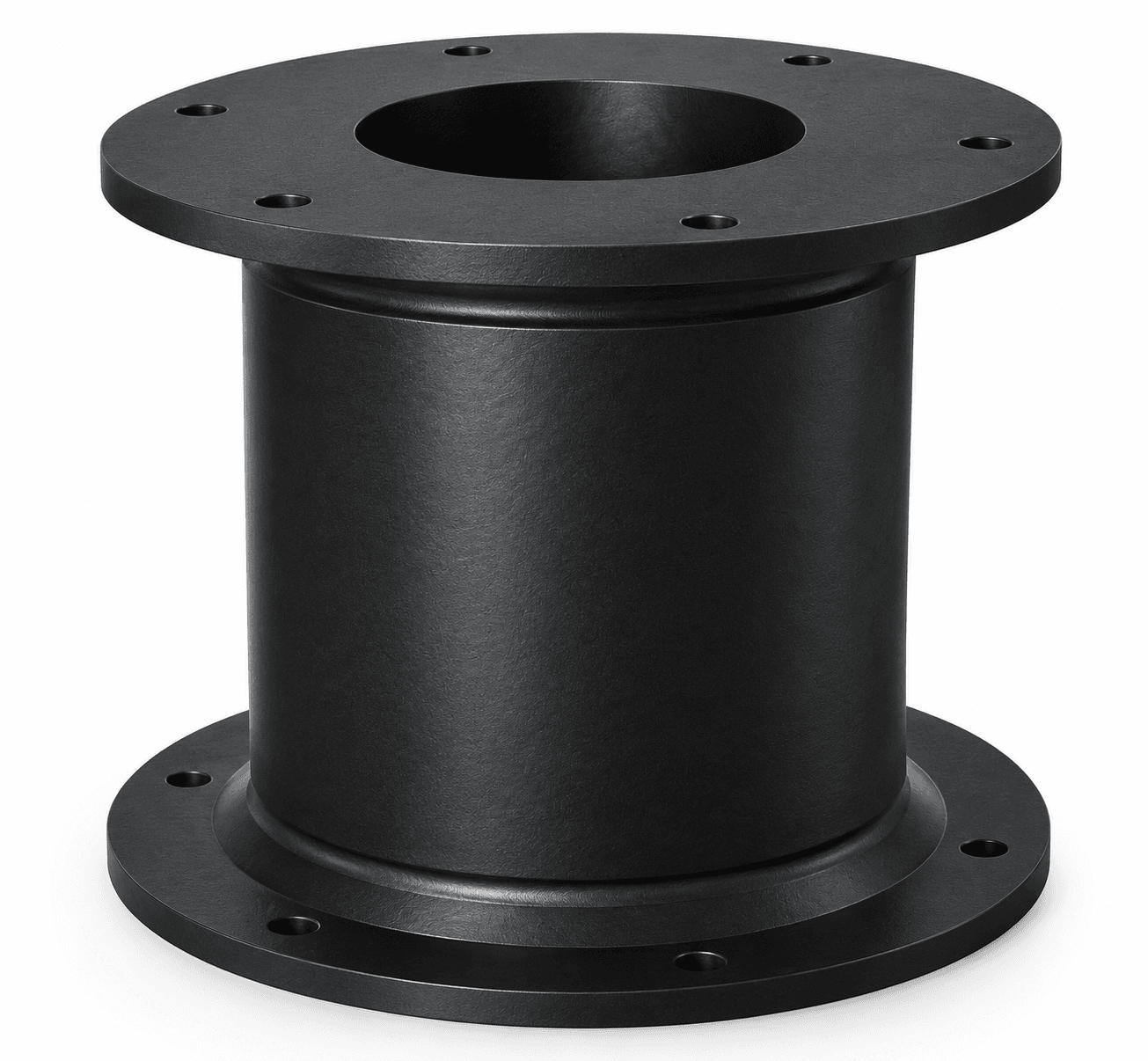
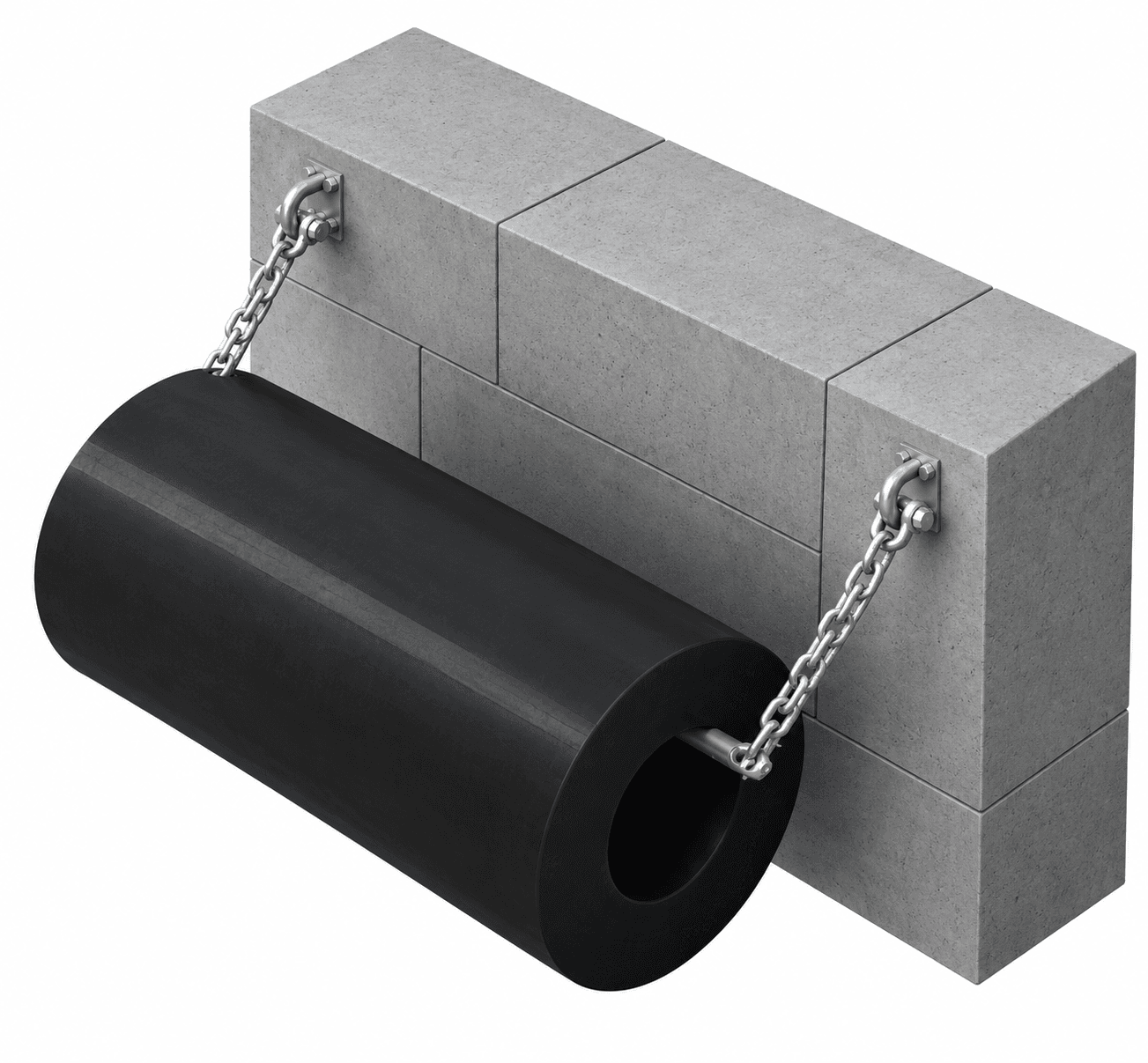
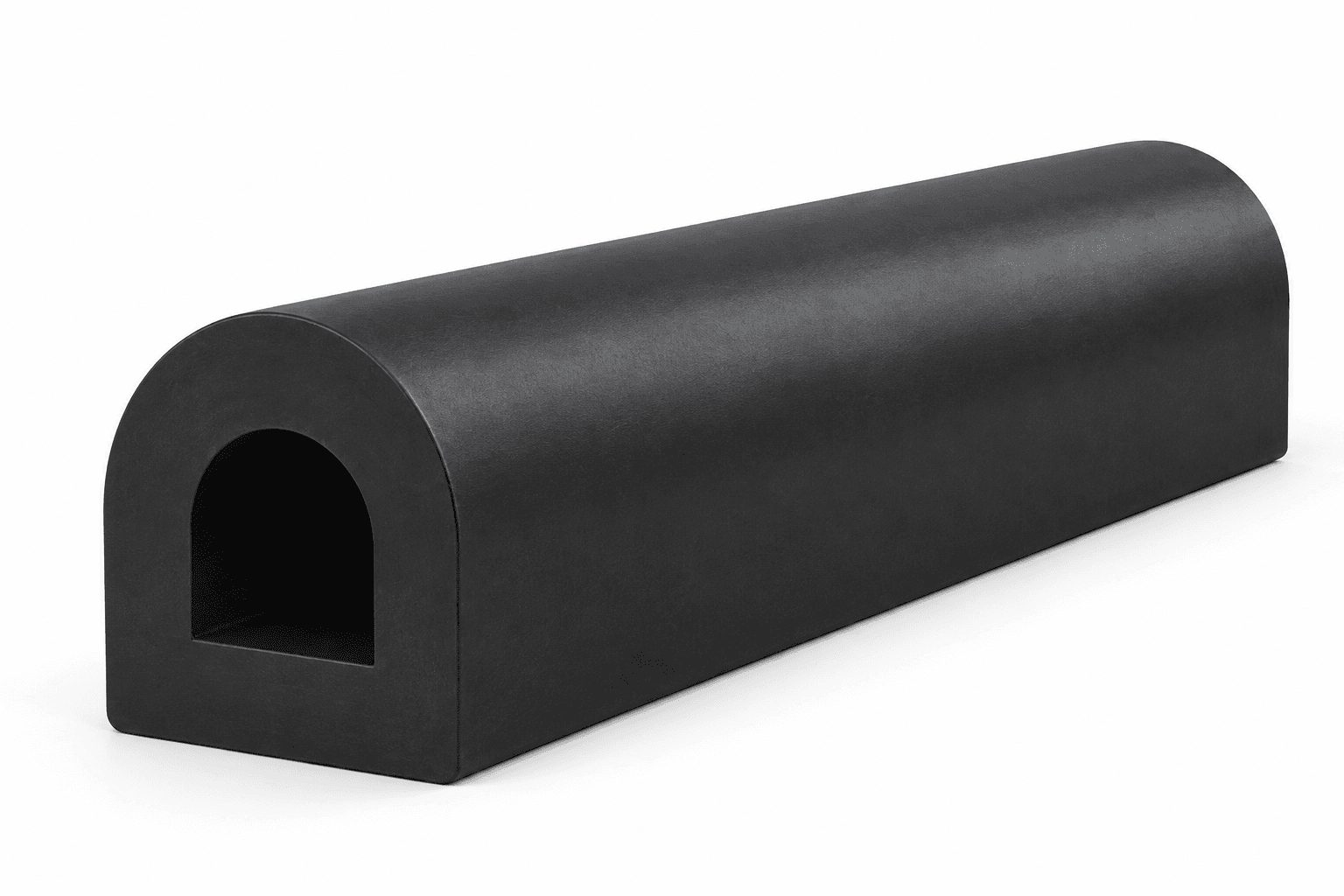
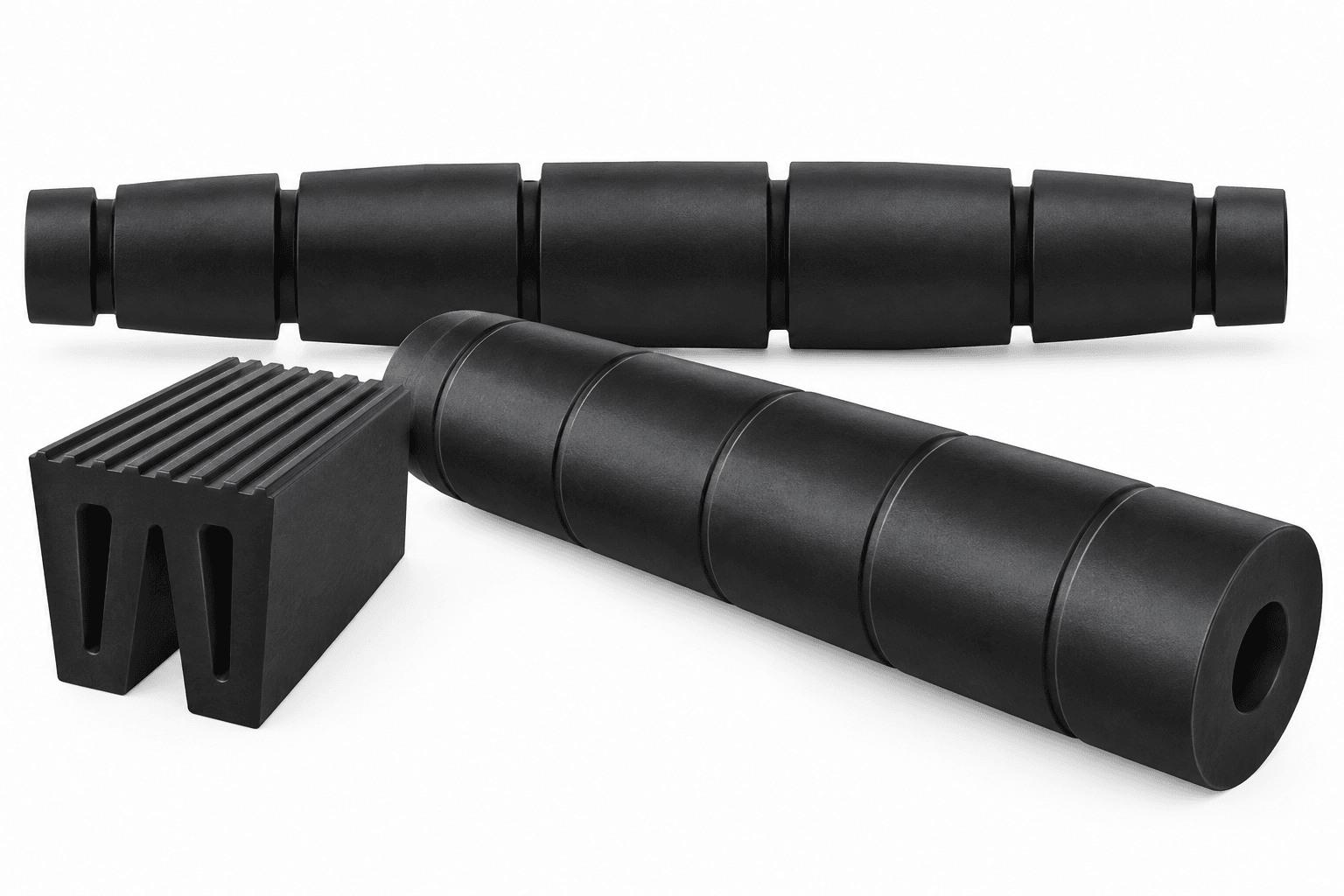
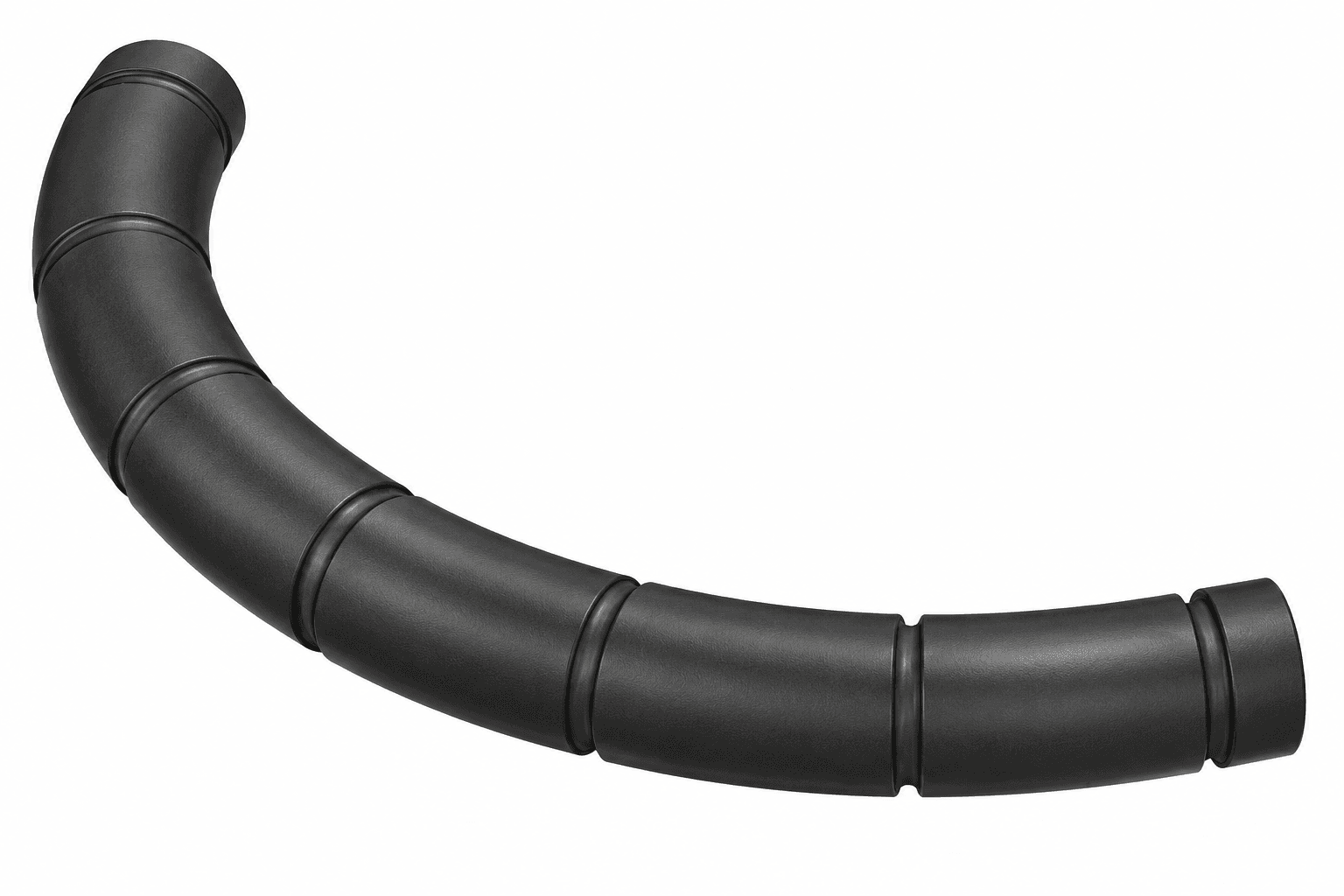
Cylindrical defenses have a progressive reaction , thanks to their simple and economical design , they benefit from a wide range of dimensions. Simple to install , cylindrical fenders require little maintenance. Widely used in the Mediterranean, they reliably perform their function with chains (up to Ø600mm), central bars (up to Ø1600mm) or special supports for large dimensions. Available from Ø150-75 up to Ø2800-1400
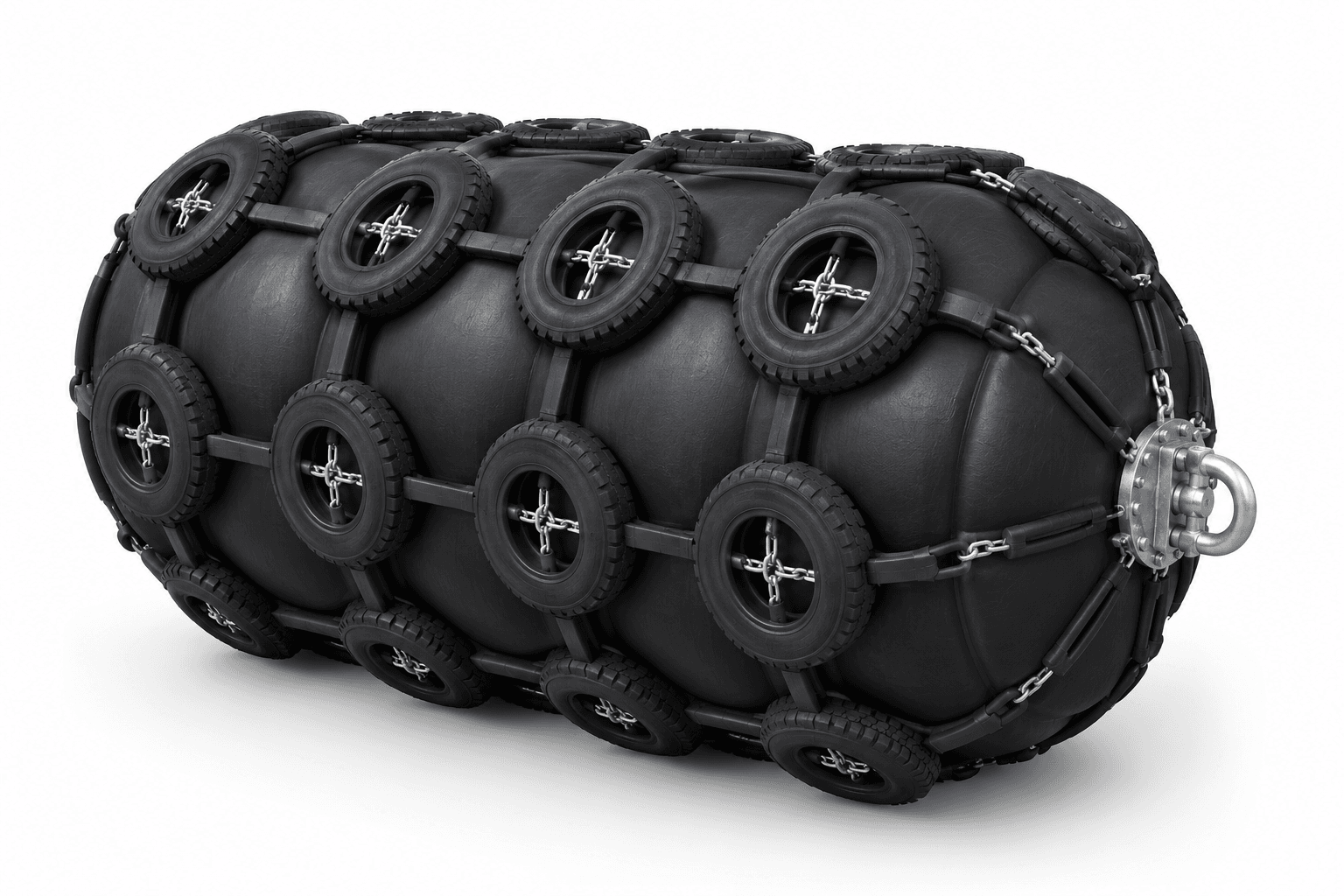
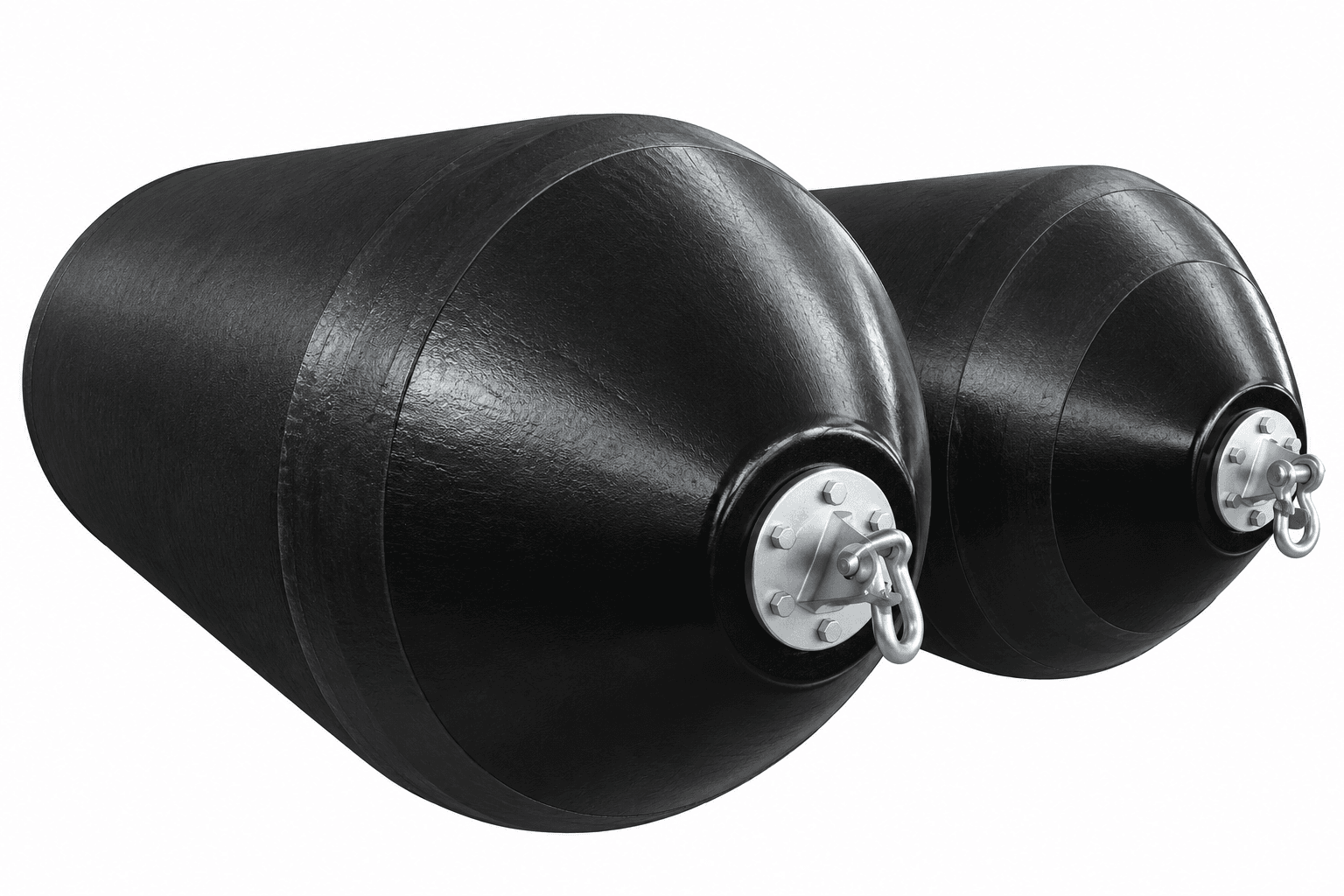
Designed for temporary installations , pneumatic fenders can also be used in ship-to-ship operations, that is, between two ships for the transfer of oil, for example. These pneumatic fenders can also be equipped with chain netting from old tires for greater protection.
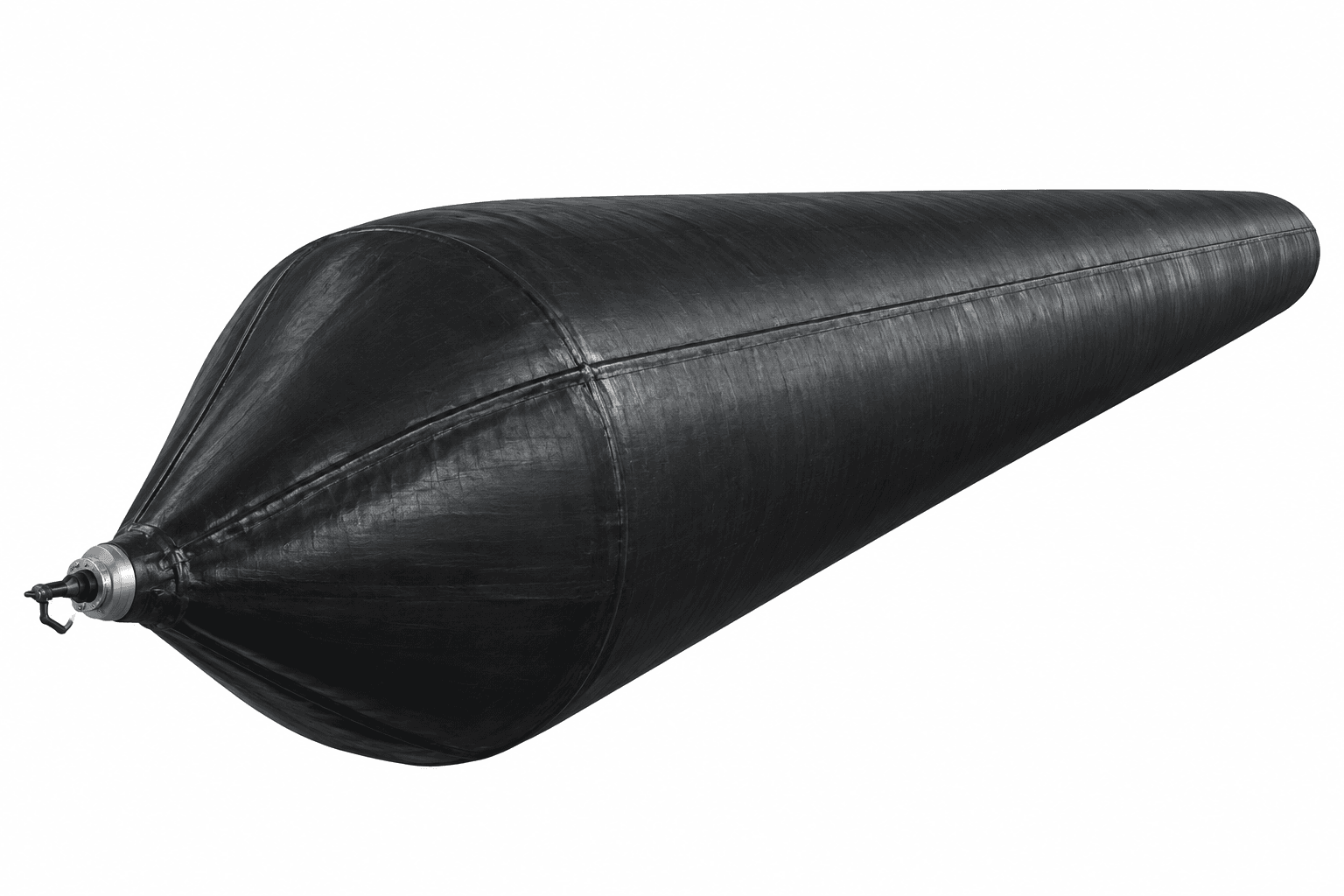
Airbags are designed for launching ships; their manufacture meets very precise and strict standards.
Our partner's foam fenders are made from closed-cell polyethylene foam coated with a reinforced polyurethane elastomer. The foam absorbs the energy of docking while the coating resists impacts and wear. The foam fenders are unsinkable and can also be reinforced with chain netting and used tires.
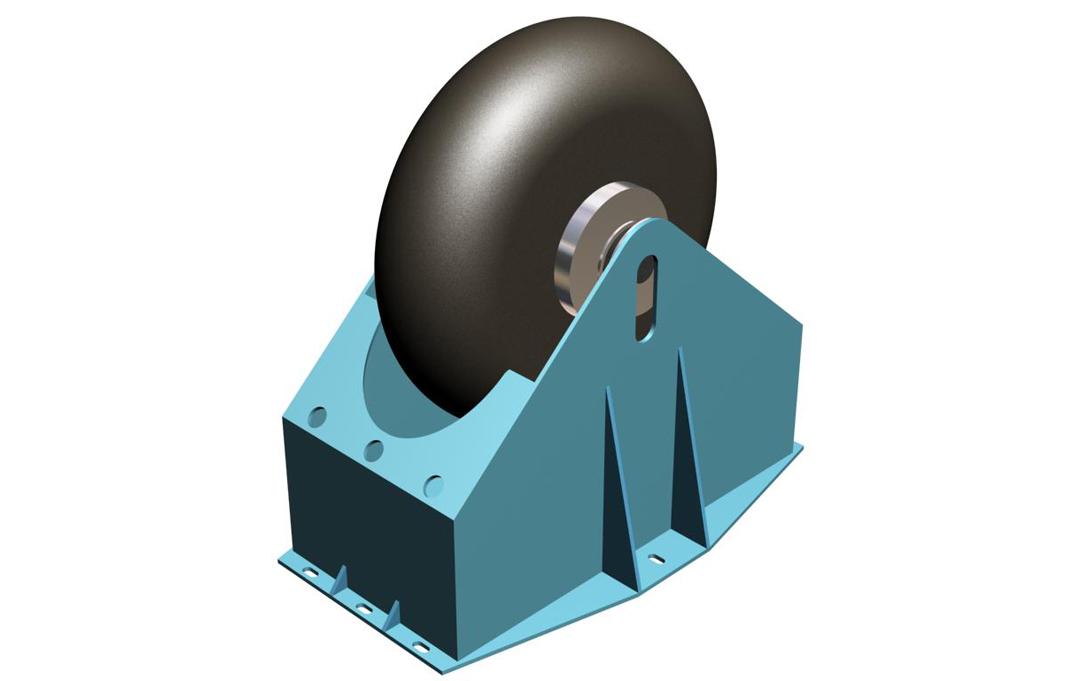
Used in dry docks, lock entrances or canals, rotating fenders serve to guide ships, while absorbing significant berthing energy. Installed in single or double configurations, these defense systems are very flexible.
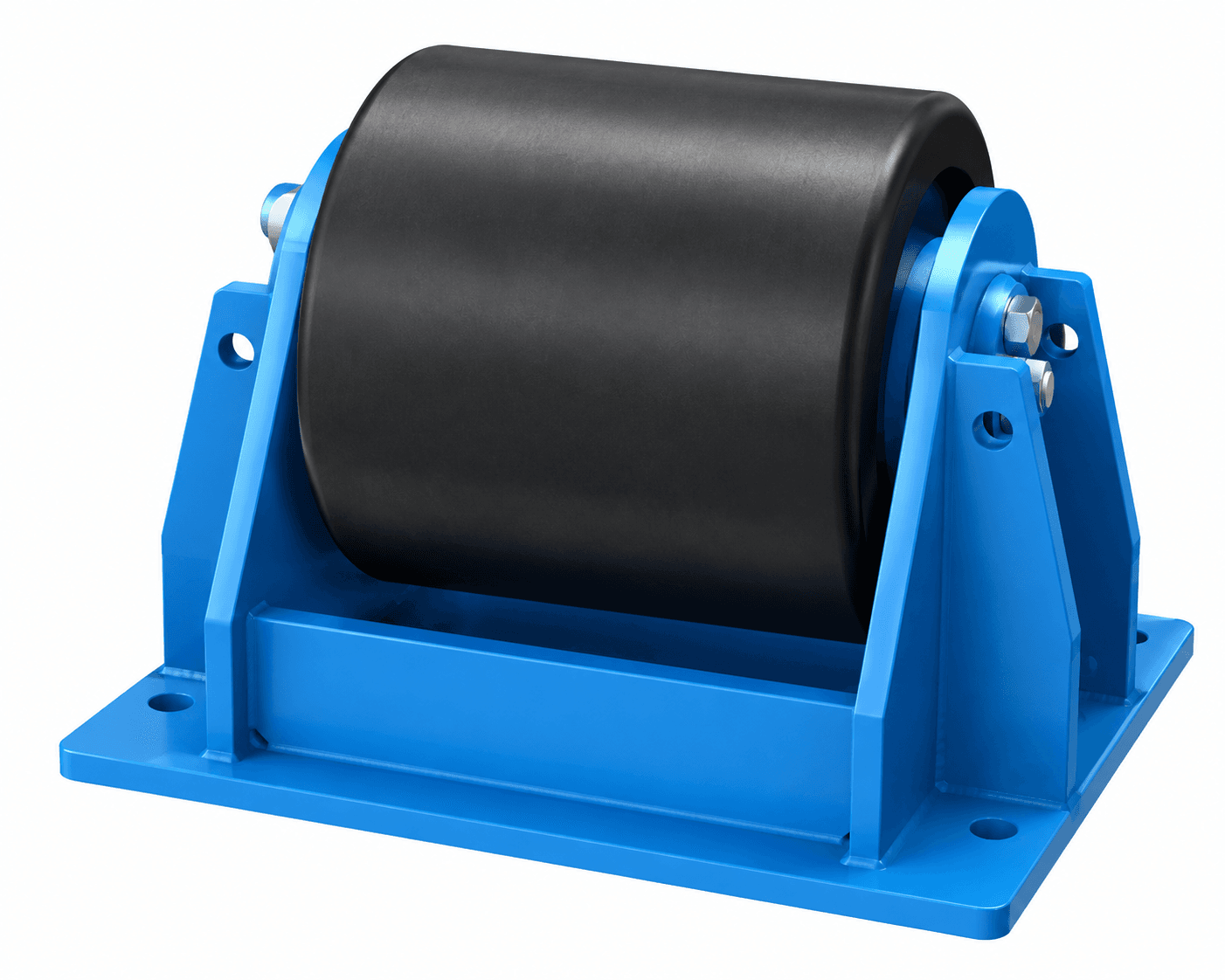
Roller fenders are dedicated for channel entrances, gates, shipyards, and corners. Singles or twins, roller fenders have a strong energy absorption capacity; soft and gentle contact faces.
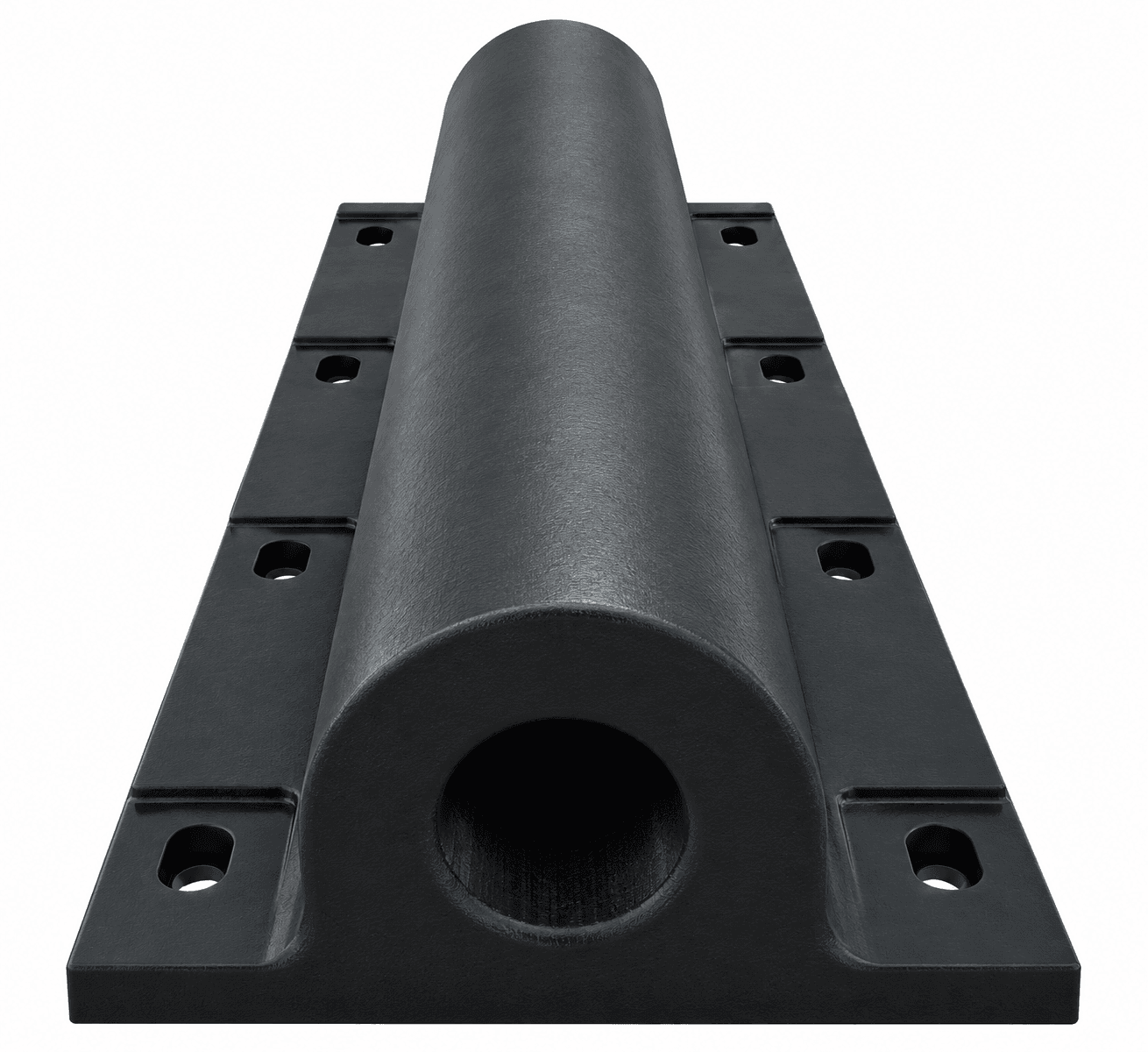
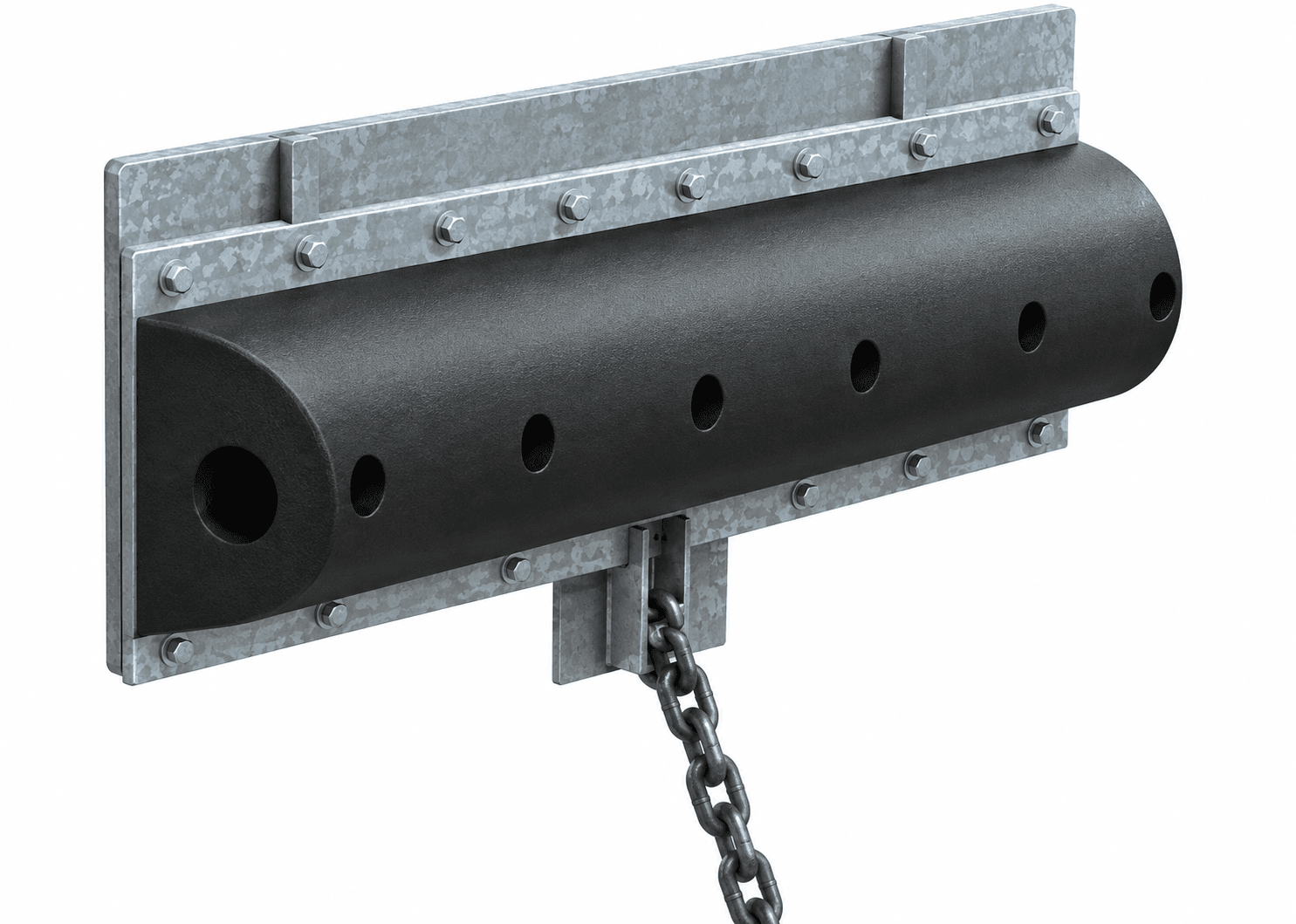
DR fenders are a new type of fender developed from D fenders; the rubber-coated steel plate allows the fender to be fixed directly to the structure.
DR Rubber Fenders is a new type of rubber fender developed from D type fender, it enlarge fender bottom width to get embedded steel frame plate inside and to be fixed to the port structure with double row bolts, therefore it get stronger installation strength and longer service life than D type fender.
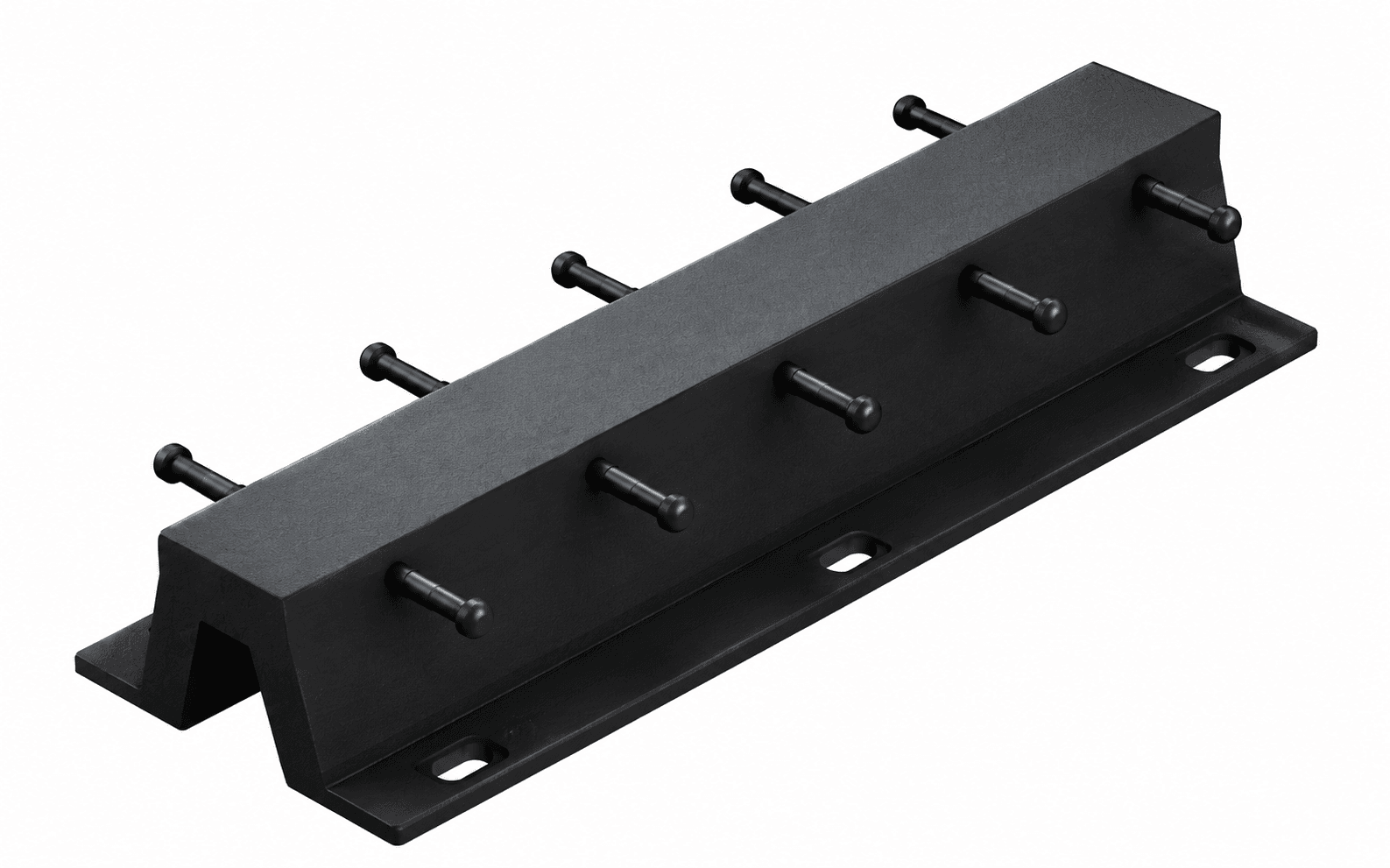
Extruded fenders are simply made of rubber and can be fixed by a central flat iron or by side angles and bolts. Extrusion allows for the production of defenses of varying lengths which can then be cut and drilled as needed. Pre-tailored cuts and specific sizes are available upon request. Generally black in color, extruded tusks are also available in grey or cream (optional). DD D-shaped defenses , fixed by a flat iron that passes through the defense. DC D-shaped fenders , secured by flat lateral bars connected by bolts. (tugs – pleasure craft – dock ladder protection). SD Square-shaped defenses , fixed by a flat iron that passes through the defense.
Made in Germany, this defense is not made of rubber, but composed of polyurethane elements, in Yellow, Orange or Black color, these defenses have different performance levels.
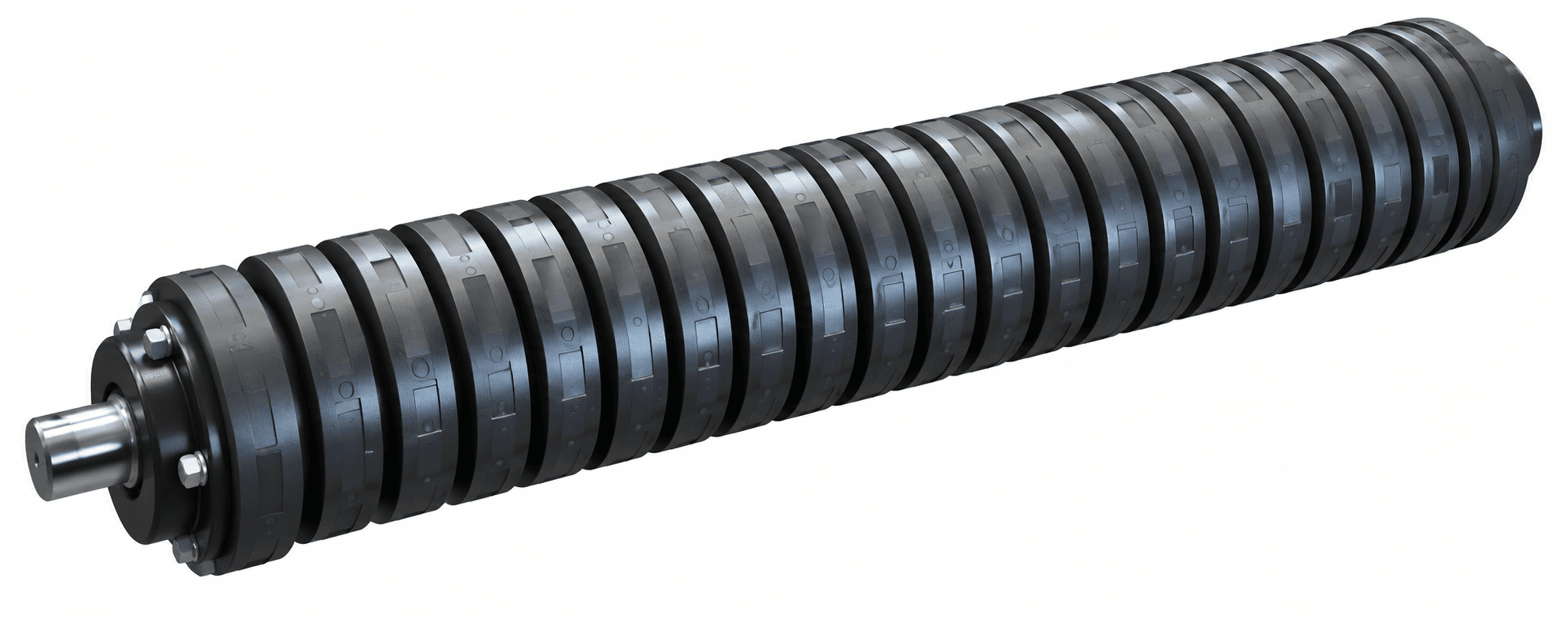
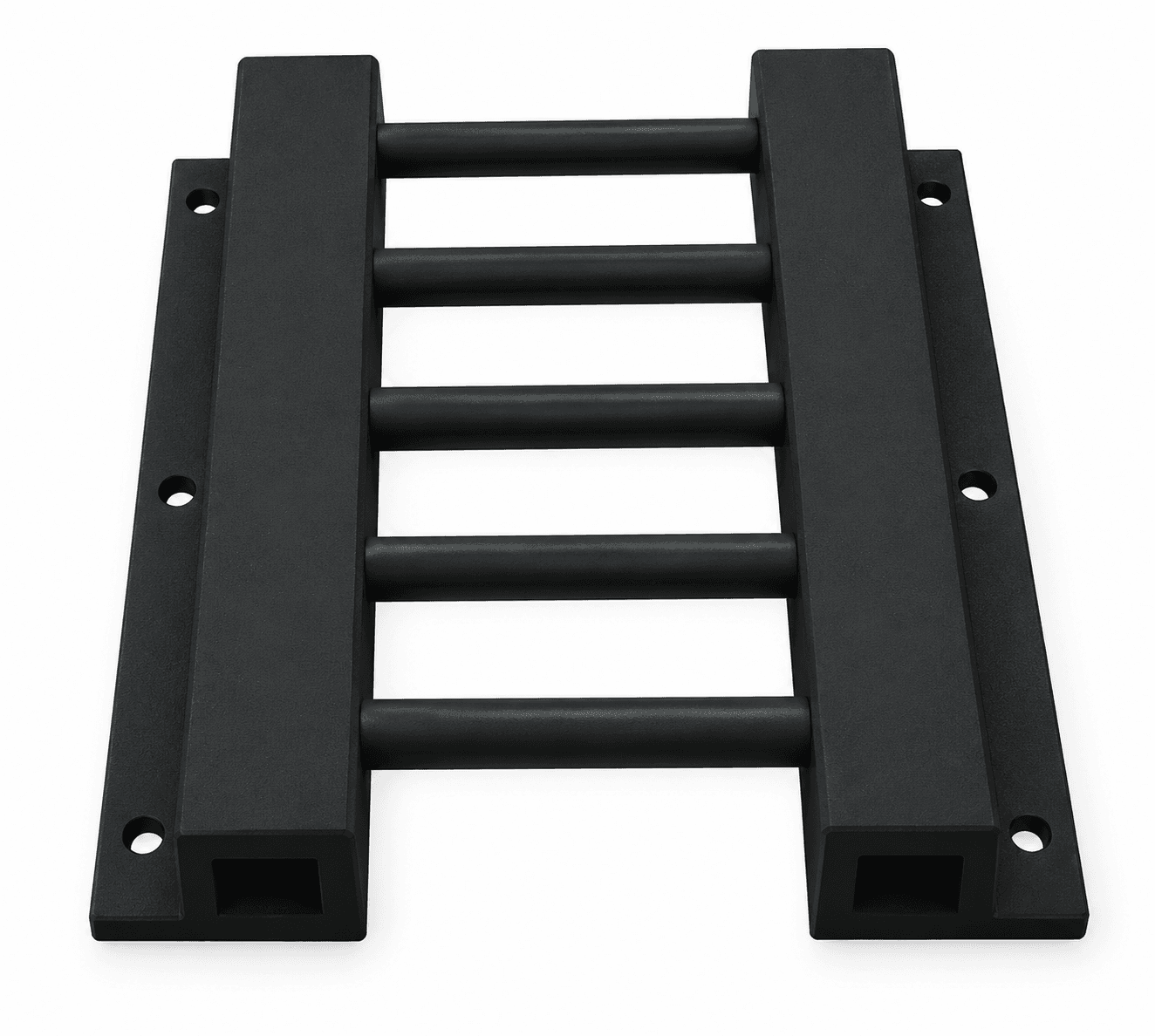
Shock-absorbing rollers are flexible guides for pontoons and floating structures; a rubber element encasing two steel plates for fixing is added to the rubber bearing. There is no maintenance required for the bearings which are made of plastic and stainless steel.
Tug fenders are often used as the primary pushing fenders on the bow or stern of tugs, but are equally good for pushing flat-sided vessels. Tug fender can be fixed on the hull by the chain or straps, ease of installation. Tapered ends are also available.
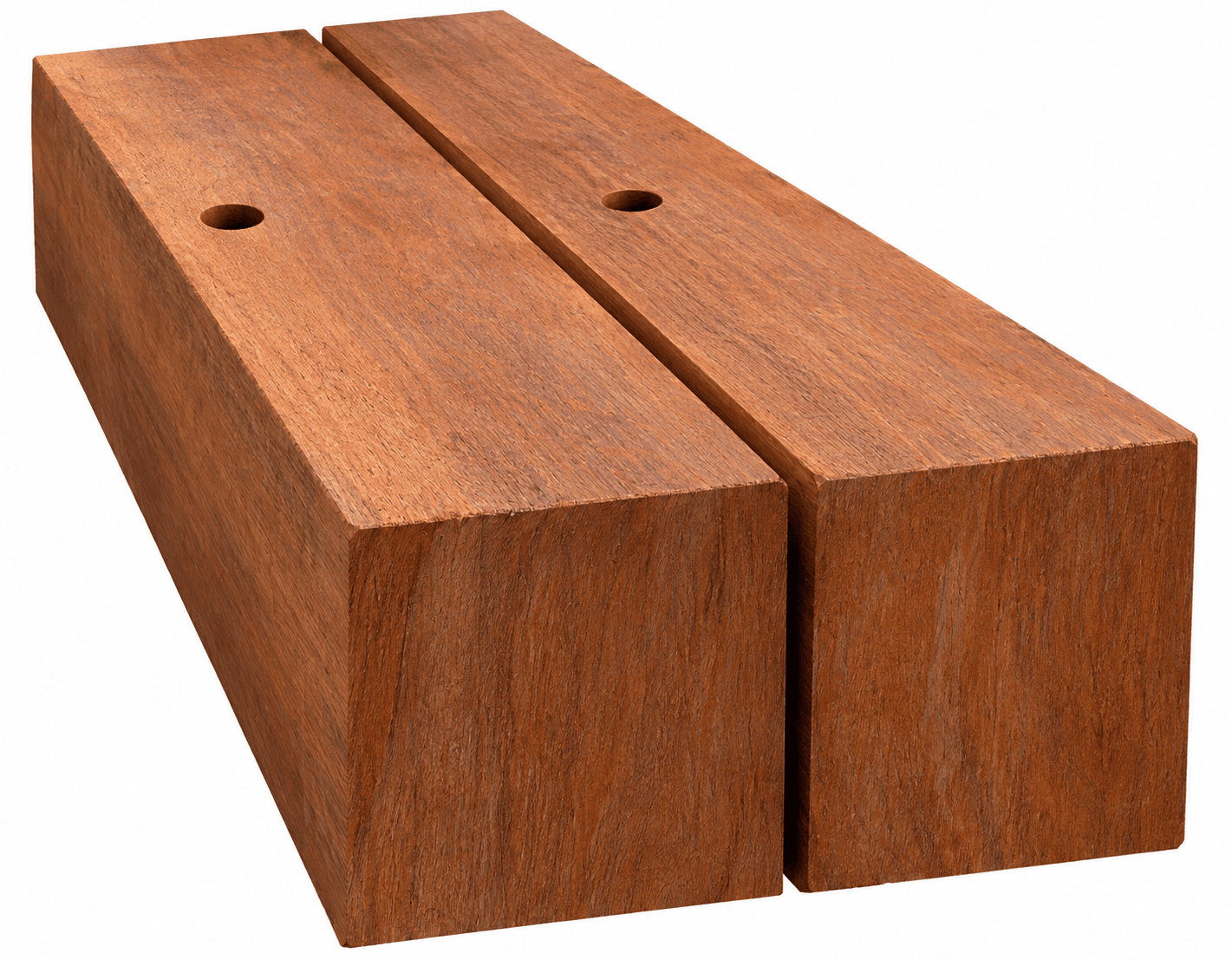
The qualities of Azobé wood, rot-resistant and adapted to marine environments, allow it to be used as wooden fenders for pontoons, sheet piles or other guide rails for locks, for example.
ADC Maritime is a partner of BAC Corrosion Control, which manufactures and supplies zinc, aluminum and other anodes according to customer standards and specifications . BAC anodes are manufactured in Denmark and the United Kingdom. BAC Corrosion Control A/S is a market leader in Cathodic Protection and Shaft Grounding systems and working within the Offshore Wind farm Industry, the Maritime industry, Oil and Gas Industry, Harbors and Utilities industries.
ASDO (Anker Schroeder) bollards are manufactured in Germany, with one particular feature: they are designed with fusible anchors.
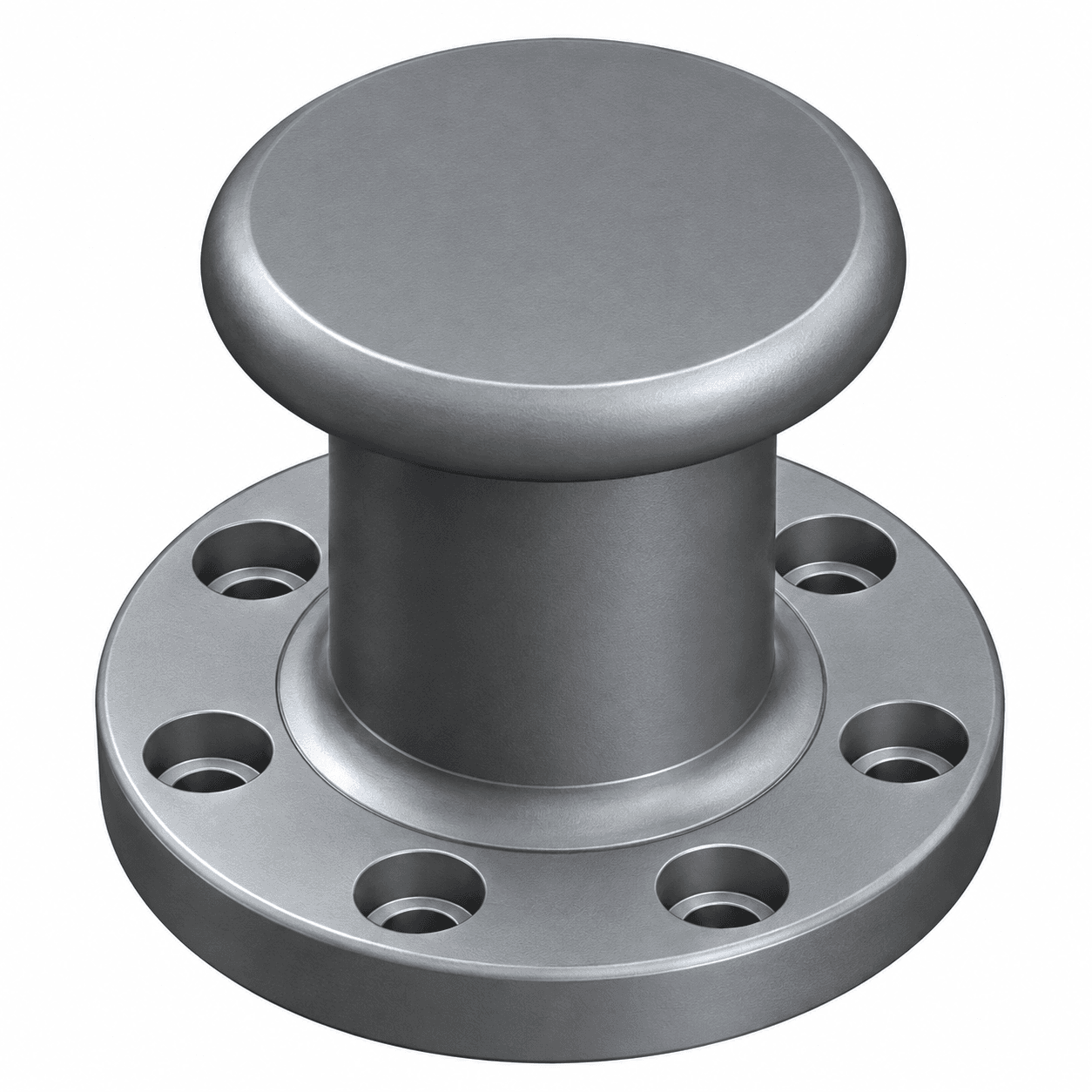
Gleen flange bollards are manufactured in China, intended for the oil and offshore industry, they offer all performance guarantees and can be subject to external control.
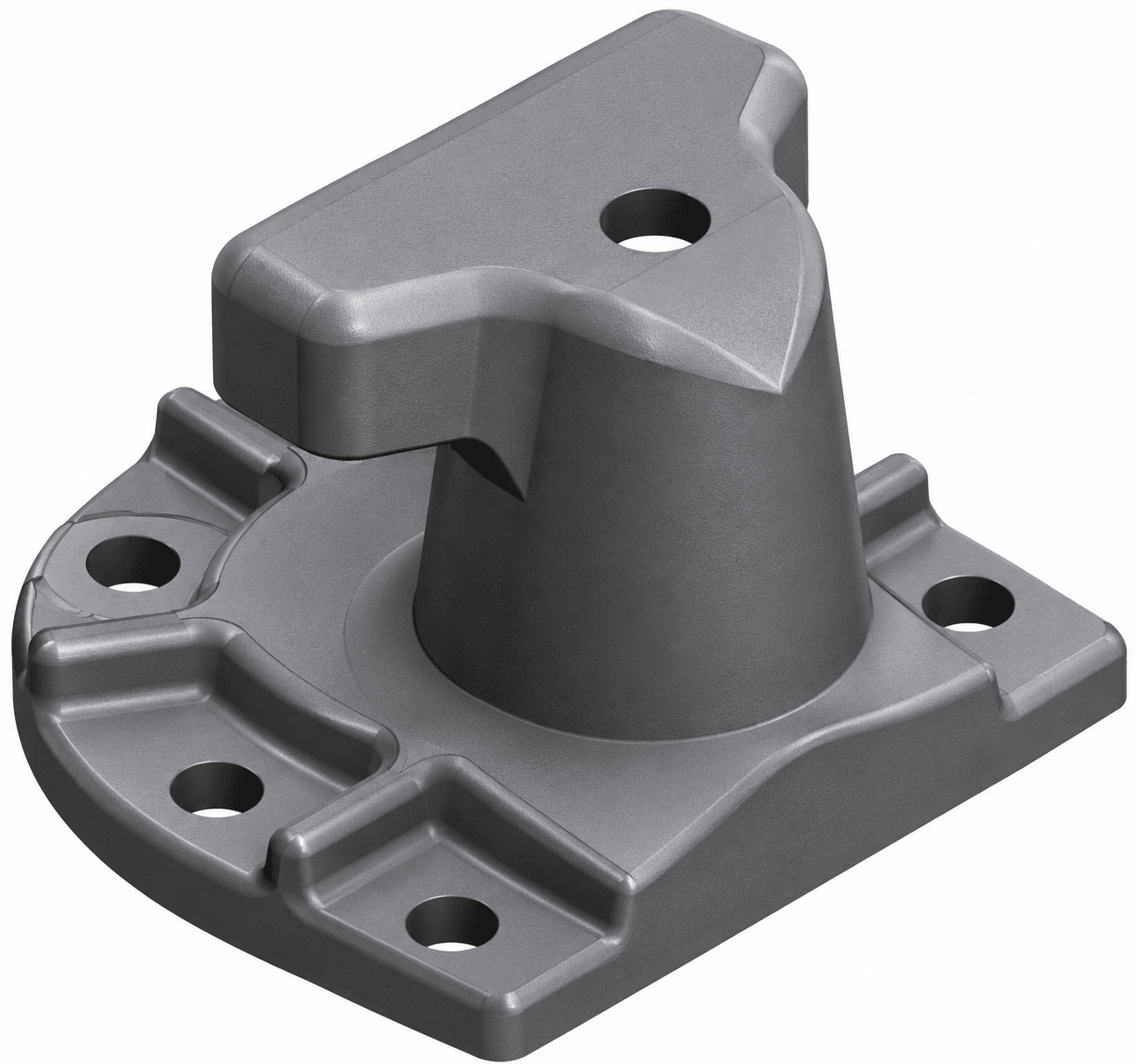
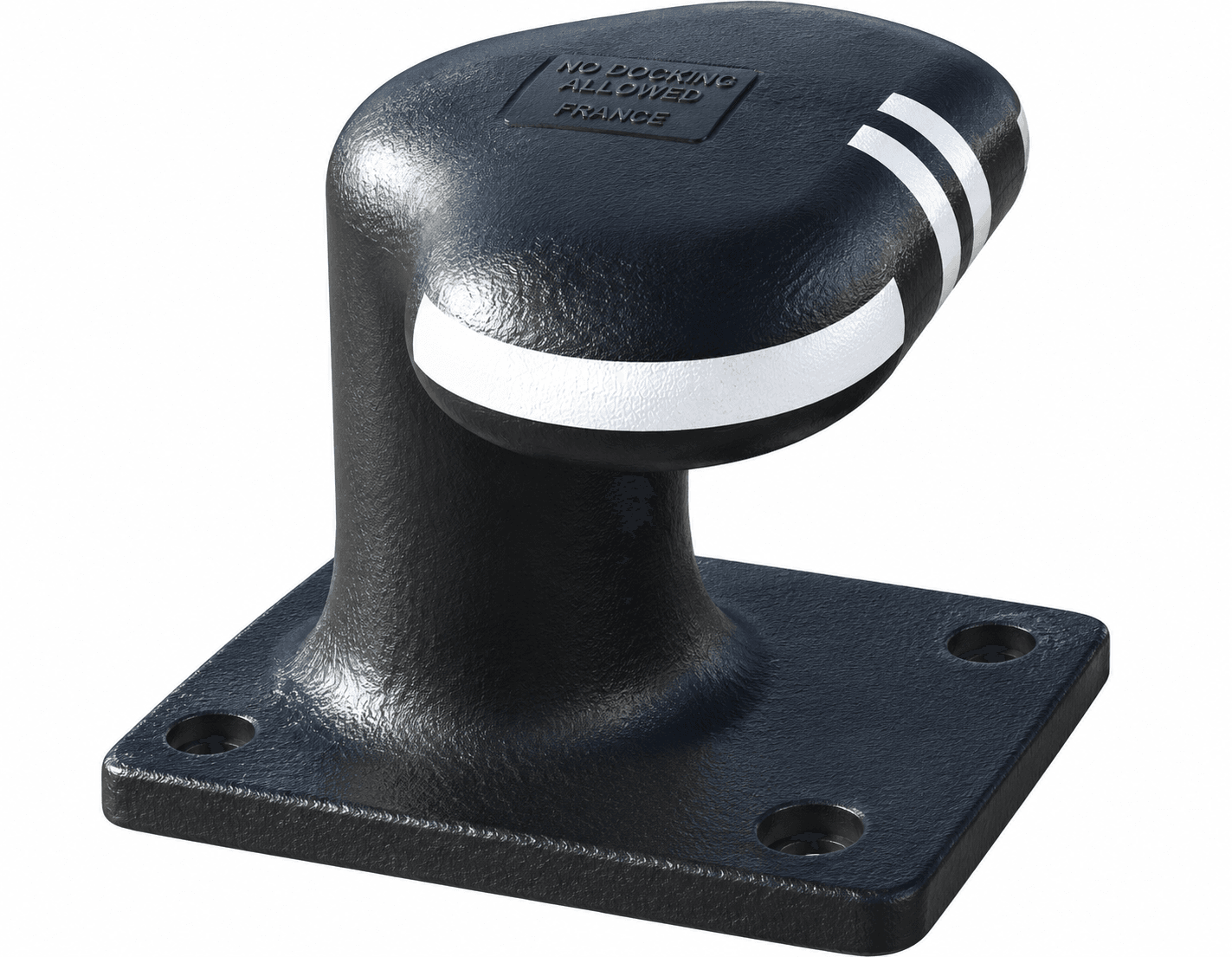
Made in France for a very long time, these one-piece or two-piece bollards are of good quality and are available quickly.
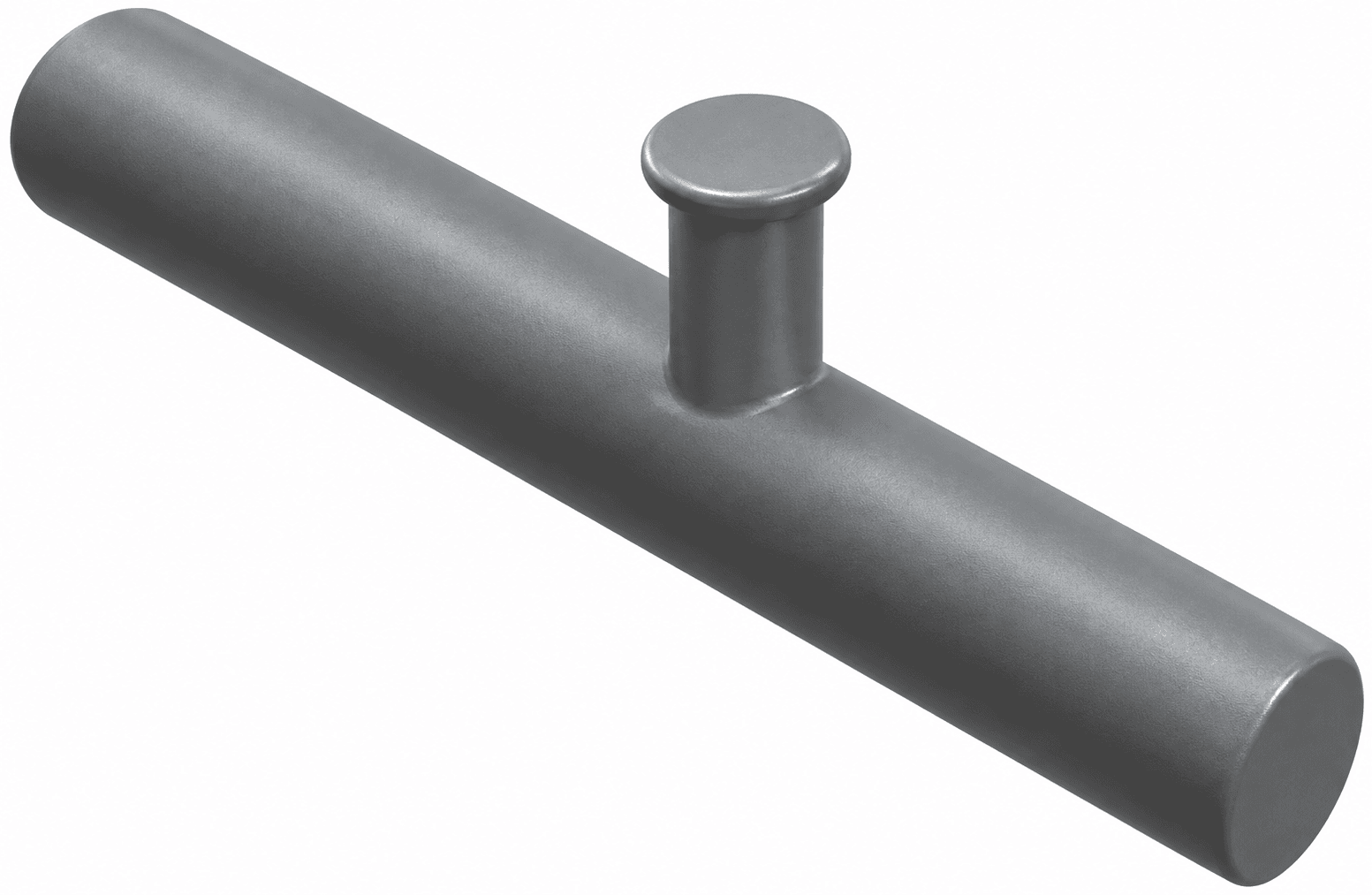
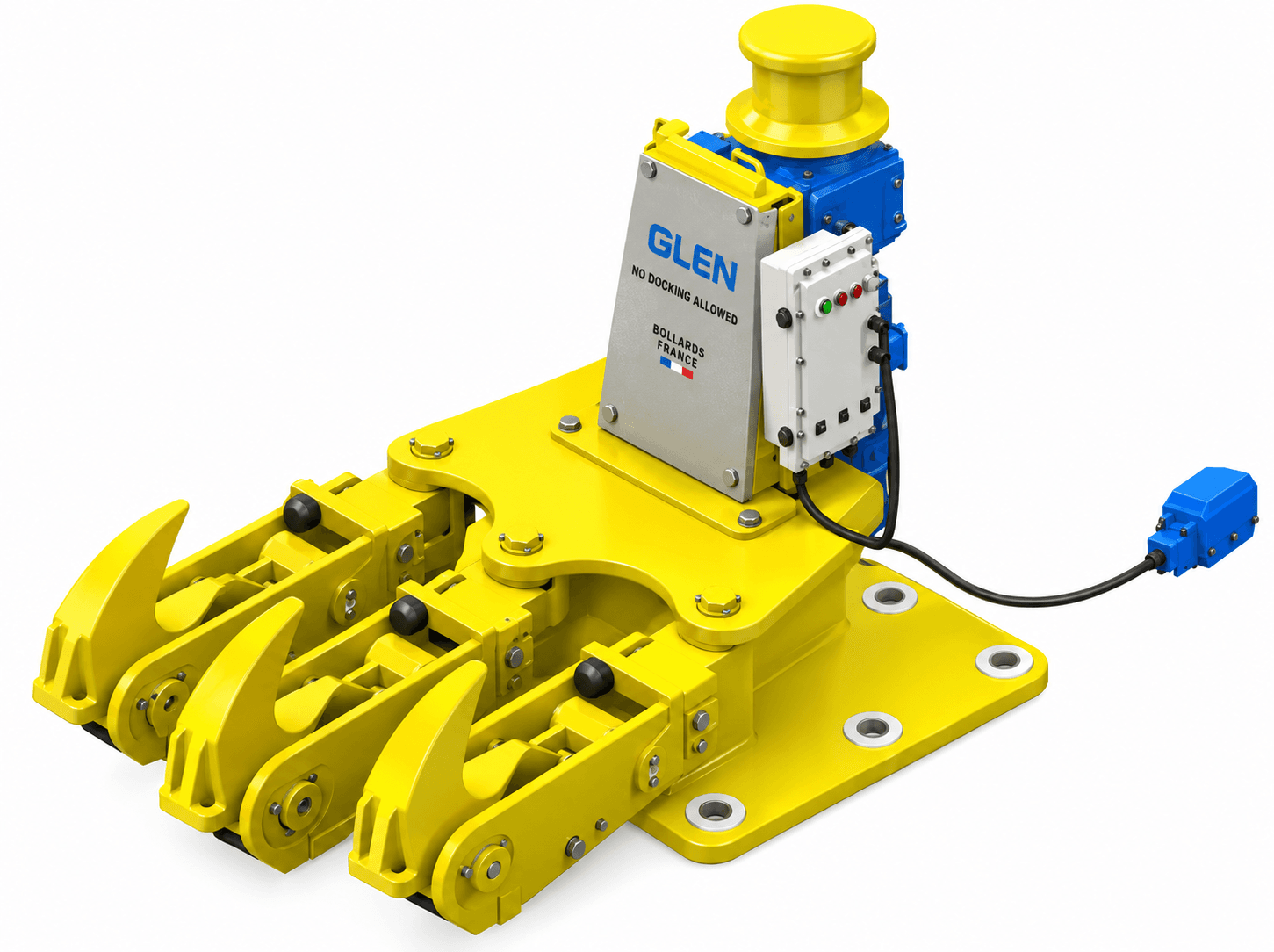
Single, double, triple or quadruple, our partner's release hooks meet the strictest customer requirements. Certified LR, ABS, BV, DNVGL, NK, KR, the release hooks are checked and tested before boarding. They may be eligible for installation assistance and training on how to use it. High-quality electrical components are sourced from renowned manufacturers present in most countries.
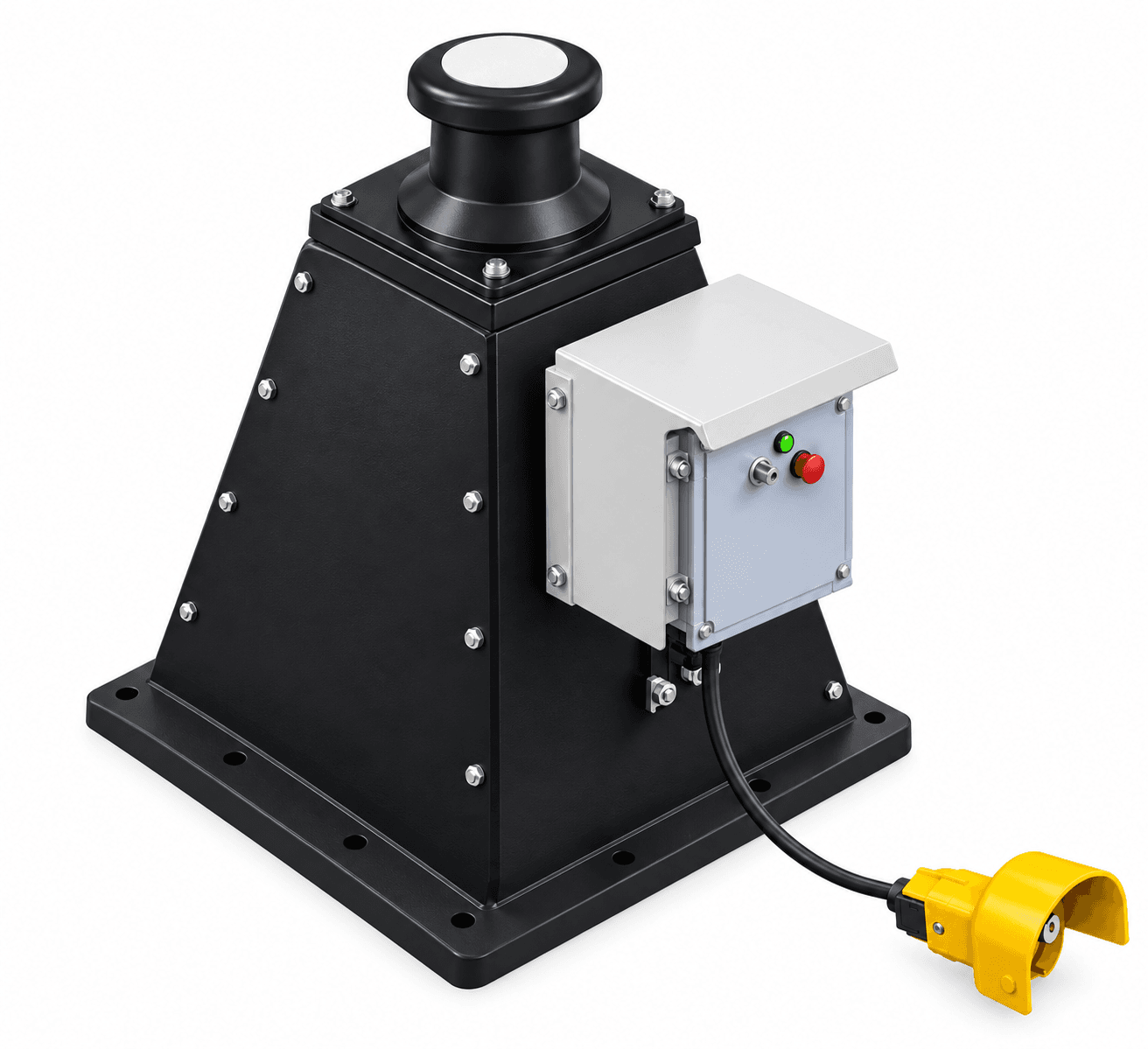
Made for hauling or pulling, capstans are manufactured with quality components, available on major markets, they can be ATEX if required. Equipped with motors of 5.5 to 15 kW , they have a traction capacity of 10 to 30 Kn.
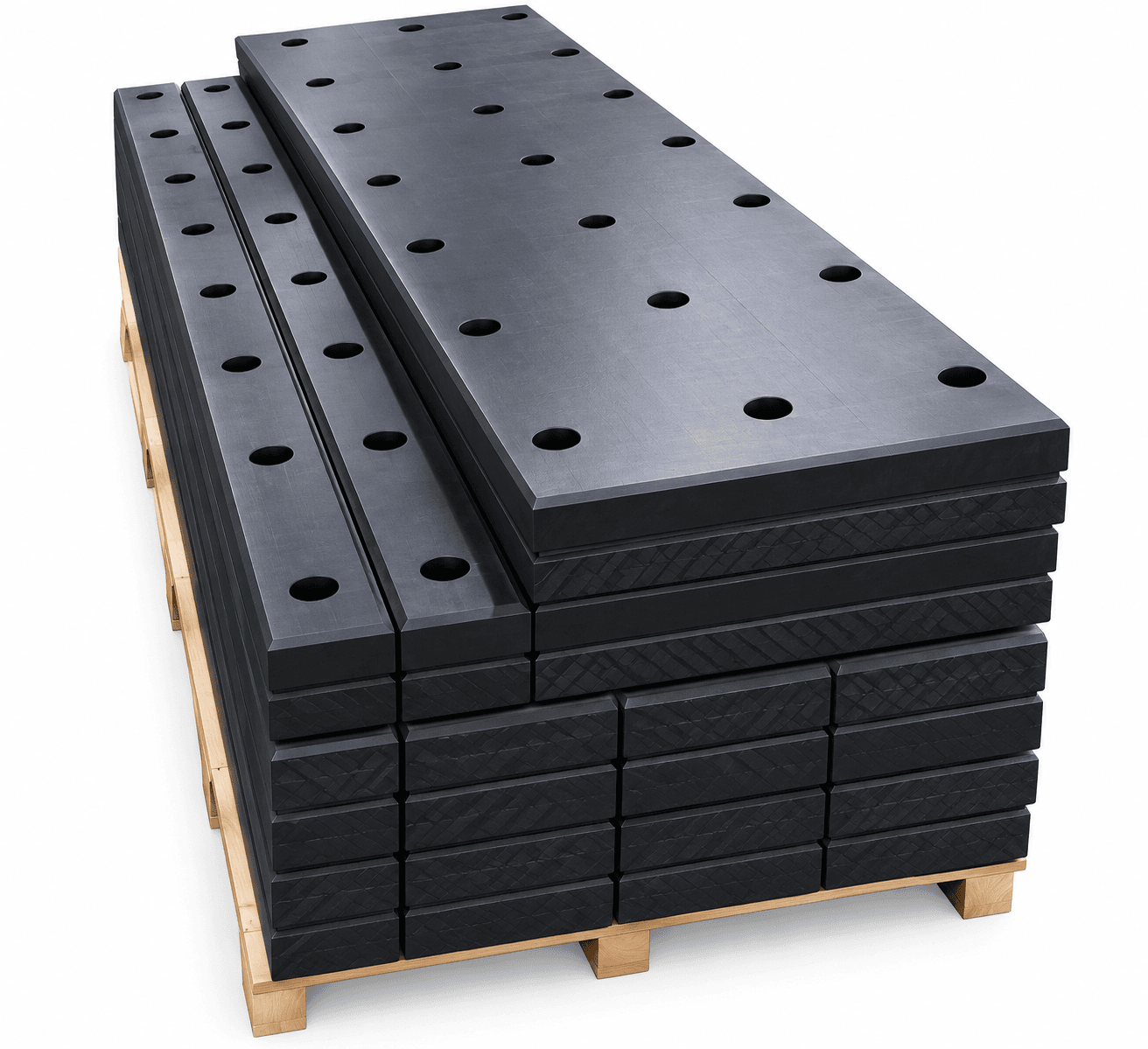
For metal shields or pontoons, PE-HD sheets are manufactured in all possible colours, recycled or virgin.
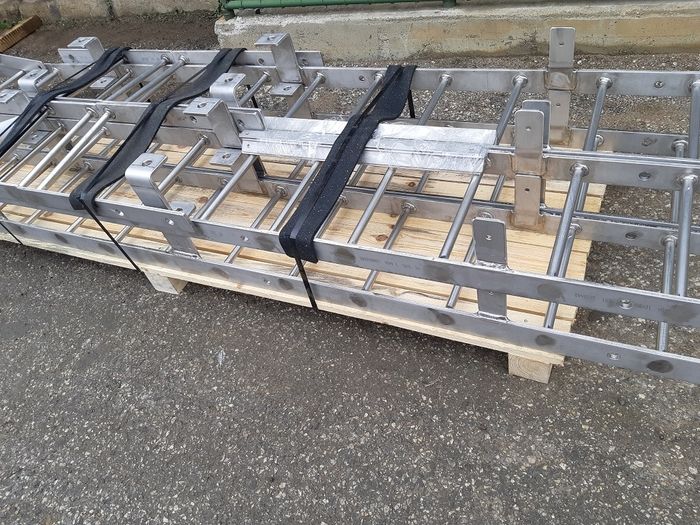
Made of galvanized steel or stainless steel, these standard or custom-made ladders are manufactured in Europe or Asia.
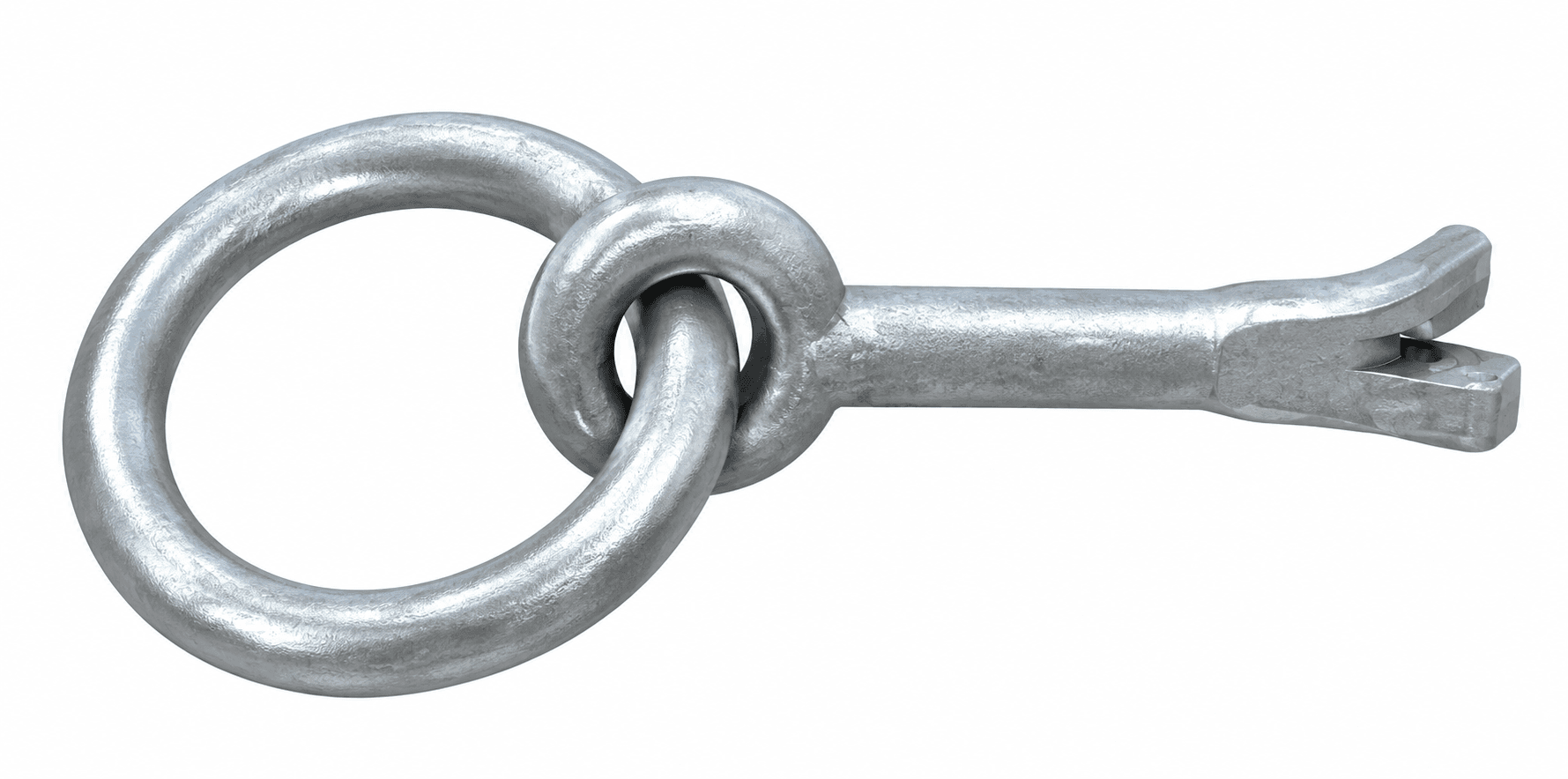
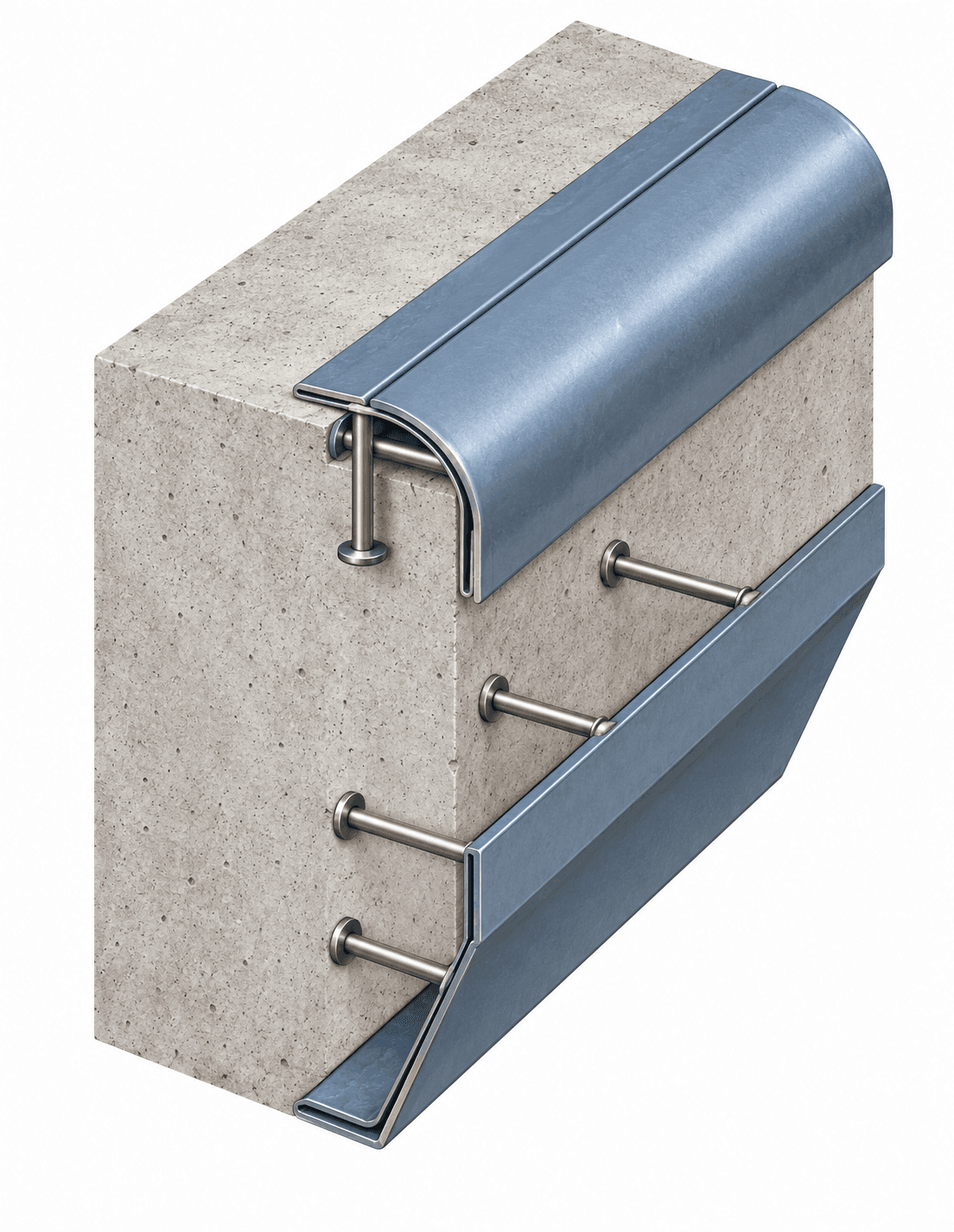
Anchors for existing concrete, made of galvanized or stainless steel, to be fixed with resin.
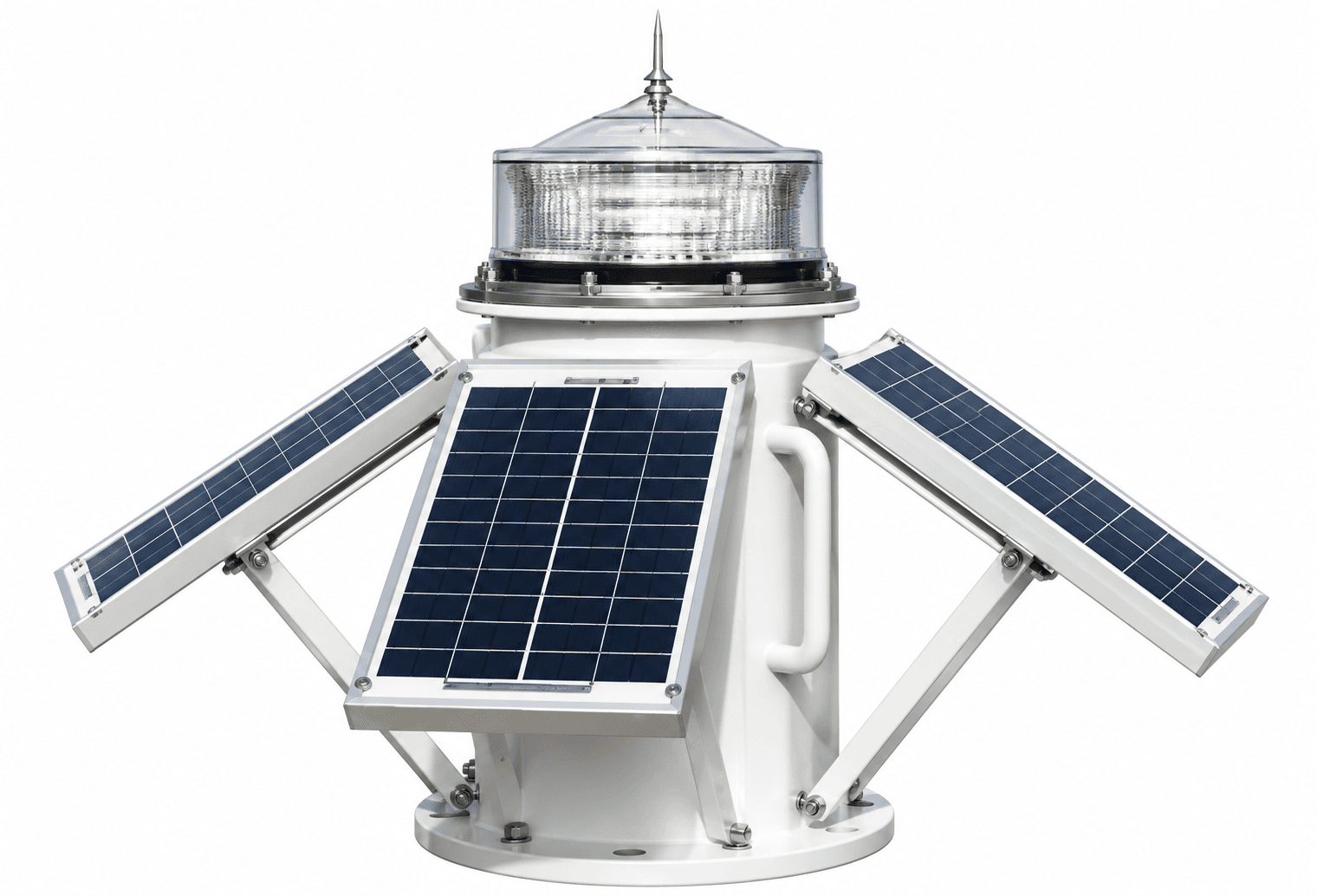
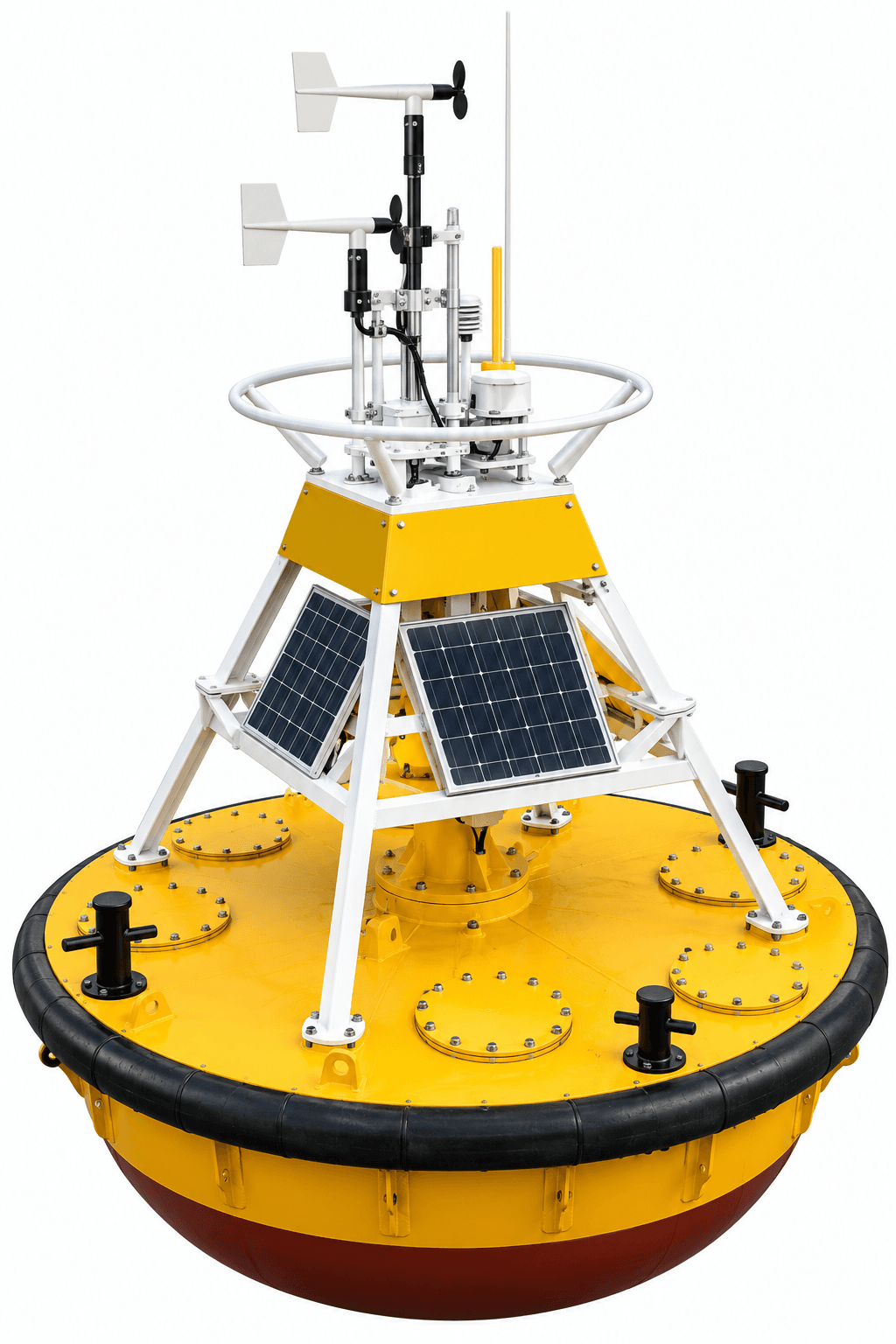
In partnership with ROKEM, ADC distributes navigation buoys, cardinal buoys, marking buoys, lights, lanterns, masts and light supports. A standard range meets your needs (Ø1500 to Ø3000mm).
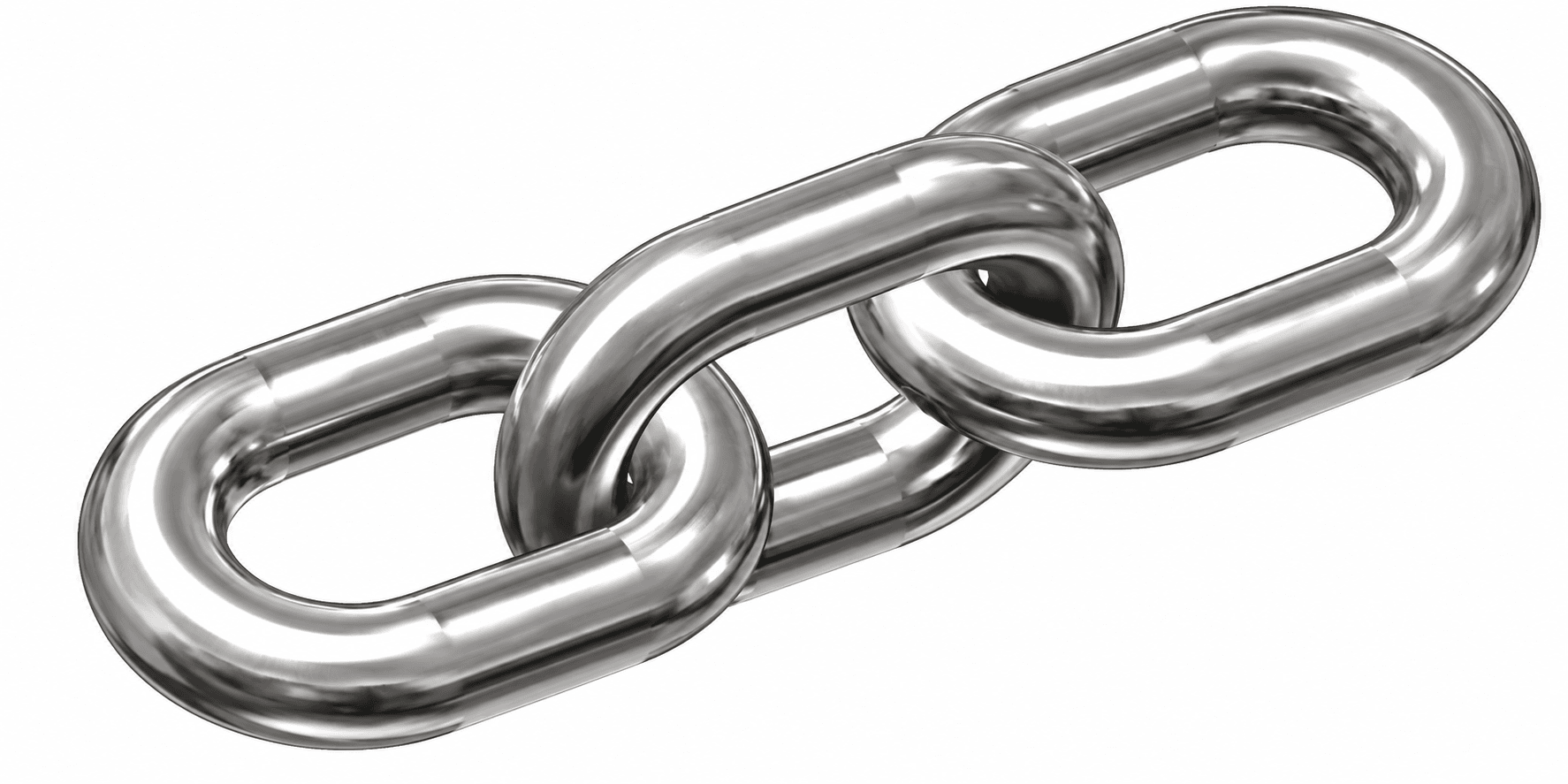
With or without a chain, discover our range as well as the characteristics (weight, sizes and loads) of our chains.
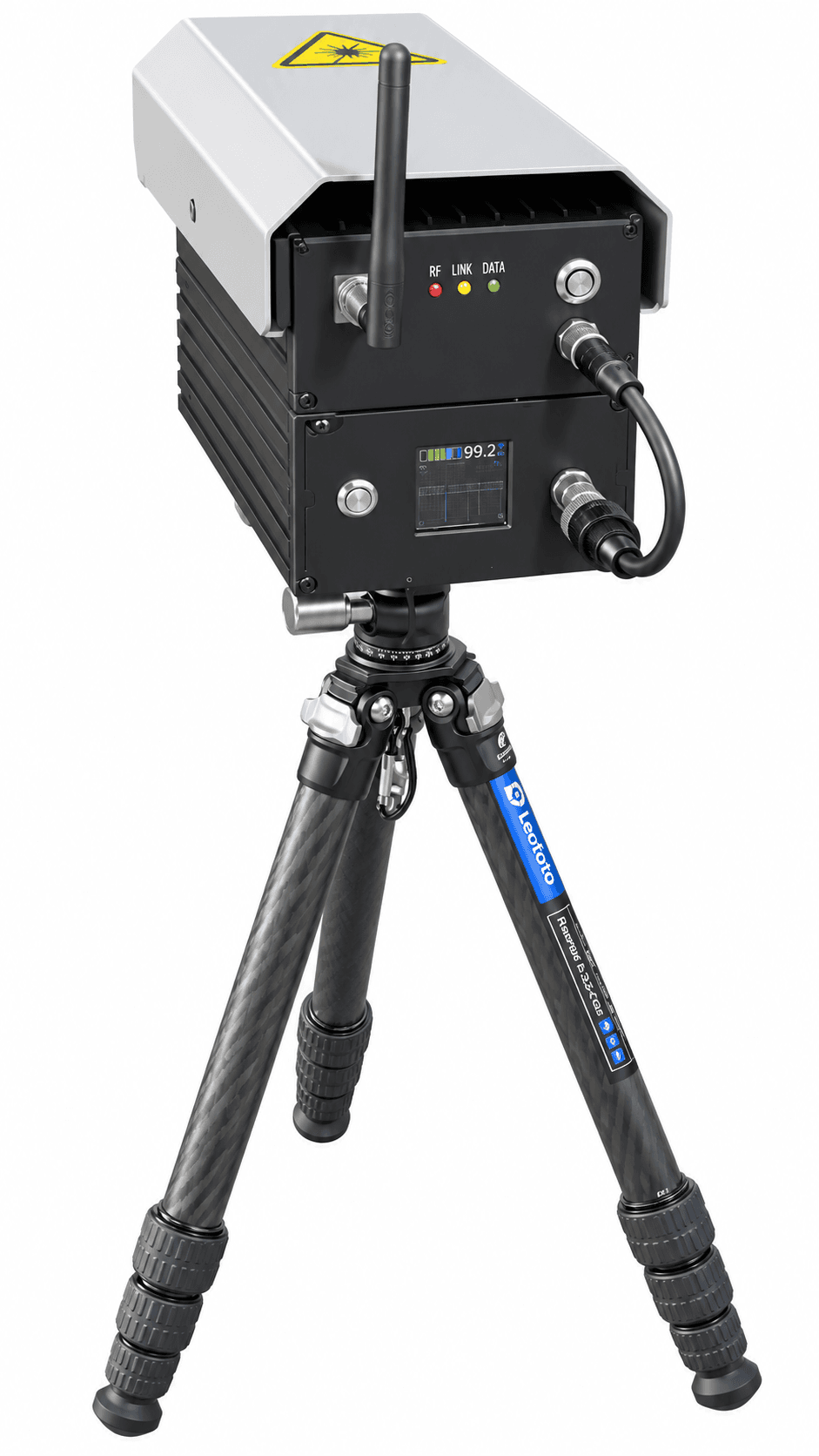
Why a portable system? • To study in detail the berthing at different quays • To monitor the speeds and angles of ships during docking • To check that the docking conditions are suitable Benefits • Mobile system that easily adapts to dock structures • Immediate reading of berthing conditions • Detailed report issued on Excel immediately after docking. How much ? • The service is offered as a complete package; implementation and measurements are carried out by the ADC Maritime Measurement Manager • Measurements on a daily, weekly or project basis. • Available for rent or sale depending on your needs. The PDAS (Portable Docking Assistance System) measures the speed and docking angle of approaching ships. 2 lasers 1 processor 1 tablet Two lasers, positioned on the platform, send data to a processor installed between the two measurement points. The data is read on a tablet.
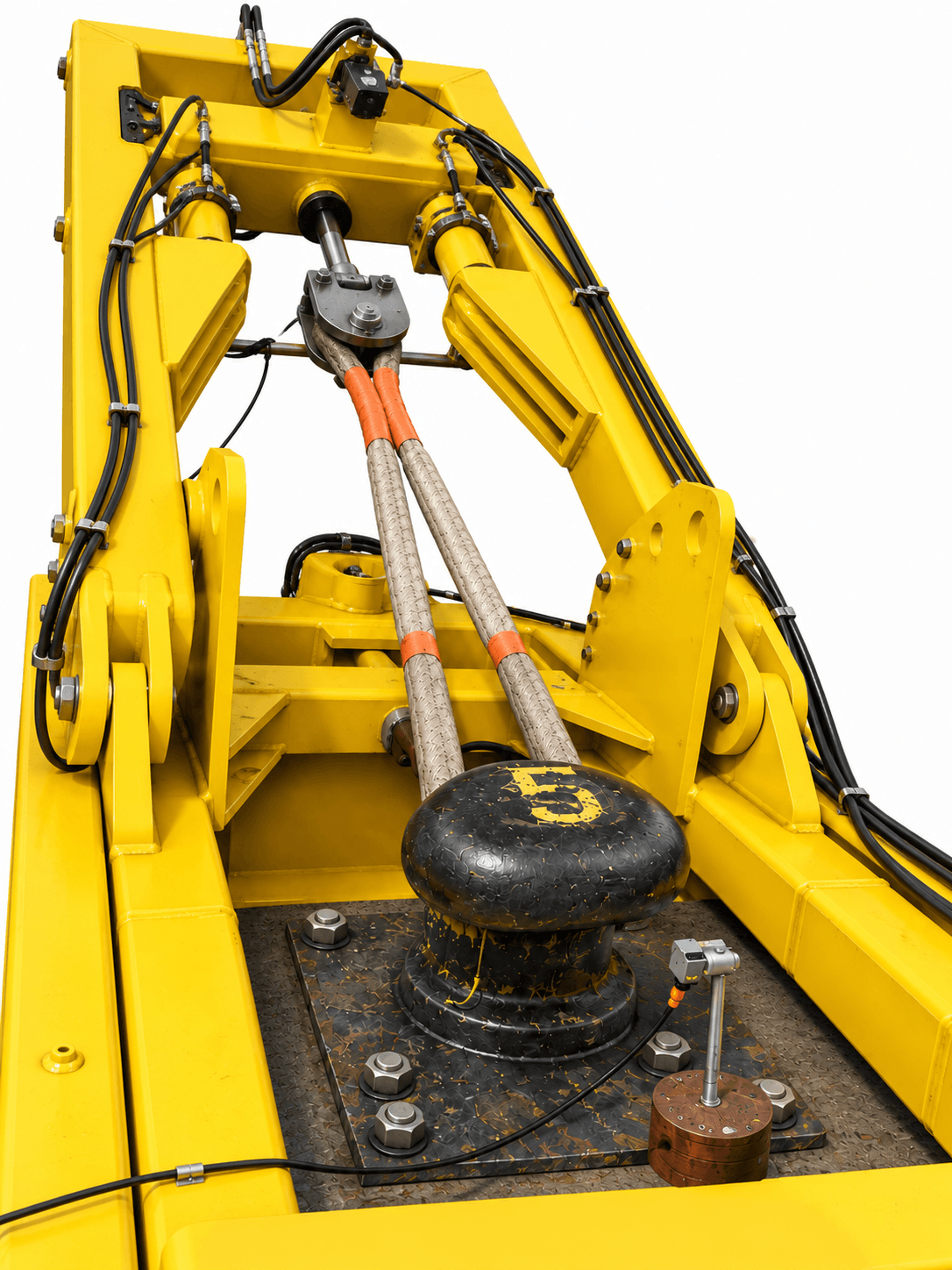
Why test your bollards? Bollards are an essential element of safety for any port or quayside structure. Their function is to reliably secure a vessel at berth to its mooring lines during any ship-on-shore operations. As ships become larger and freeboard increases, the need for bollards becomes increasingly demanding and imperative. How does it work? The patented Bollard Proof test bench is a portable device that can be delivered to the dock. Unlike other current methods of testing bollards, such as the pull test between adjacent bollards or hammer tests that record and analyze the resonance in the bollard , our system simulates the load of a ship's mooring line pulling on the bollard at different angles (vertically and horizontally). You will then receive a dated test certificate per bollard, with the maximum safety capacity of the bollard (SWL) as well as the details of the angles tested. What if the bollard is in poor condition? The test is carried out remotely from a control van with an umbilical line between the traction bench and the van. The motion and load measurement sensors of the integrated cameras record each test. The hawser, connected to the bollard, is pulled by a jack from outside the quay. The tested bollard is encapsulated in a transparent, ballistic-grade cage that retains broken pieces. The broken parts are retained in order to carry out a metallurgical analysis and establish the cause of failure. We can test new or existing bollards to customer requirements. The bollards will be pulled at vertical and horizontal angles combined with their nominal working capacity, or 10% beyond.
We look forward to hearing from you and exploring how we can help you.
Copyright © Bolin All Rights Reserved.